
Erectile dysfunction (ED) affects an estimated 30 million men in the United States alone, making it one of the most common male health concerns. Despite its prevalence, many men hesitate to discuss it. Understanding the causes and available solutions is the first step toward managing this condition effectively and improving overall quality of life.
What Is Erectile Dysfunction?
Erectile dysfunction refers to the inability to achieve or maintain an erection firm enough for satisfactory sexual activity. While occasional difficulty is normal, persistent issues may indicate an underlying health condition that needs attention.
ED is not just a physical problem—it can also affect emotional well-being, relationships, and self-confidence.
Common Causes of Erectile Dysfunction
Erectile dysfunction can result from a combination of physical, psychological, and lifestyle factors.
1. Physical Causes
Many cases of erectile dysfunction are linked to underlying medical conditions, including:
Heart disease
High blood pressure
Diabetes
Obesity
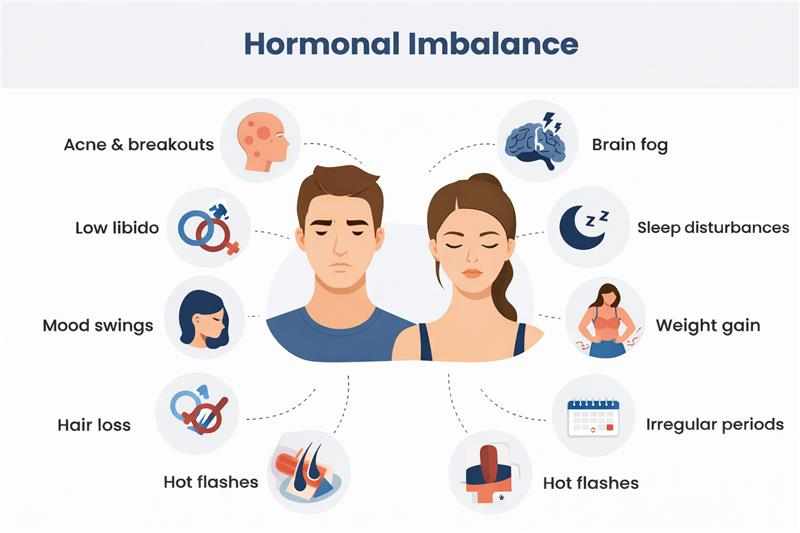
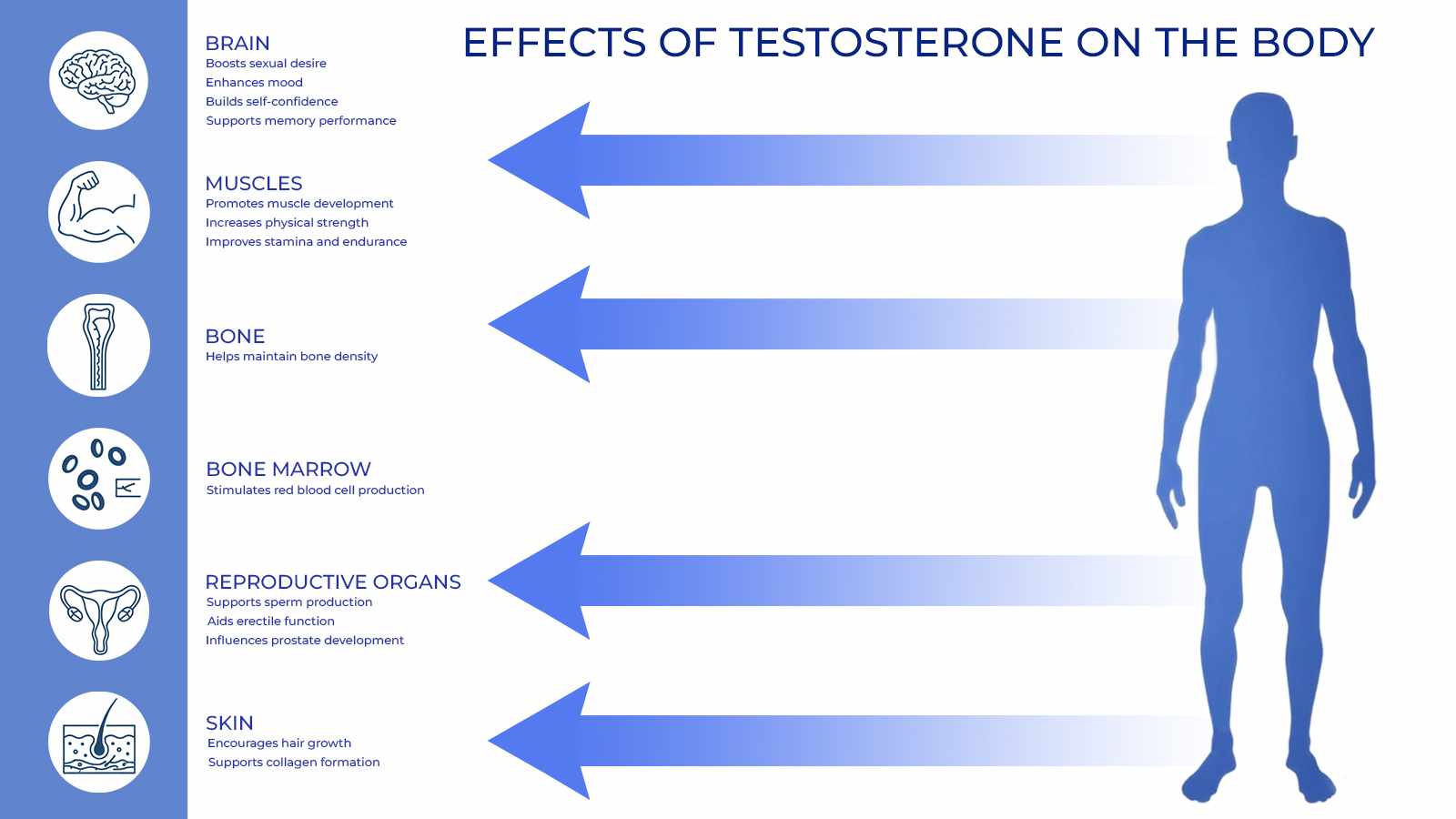
Hormonal imbalances (low testosterone)
Poor blood circulation
These conditions can reduce blood flow or nerve function, both essential for achieving an erection.
2. Psychological Causes
Mental health plays a significant role in sexual performance. Common psychological triggers include:
Stress and anxiety
Depression
Performance anxiety
Relationship issues
Even if ED has a physical cause, psychological factors can worsen the condition.
3. Lifestyle Factors
Daily habits can significantly impact erectile function:
Smoking
Excessive alcohol consumption
Lack of physical activity
Poor diet
These factors can damage blood vessels and reduce overall health, increasing the risk of erectile dysfunction.
Symptoms to Watch For
Erectile dysfunction may present in different ways, such as:
Difficulty achieving an erection
Trouble maintaining an erection during intercourse
Reduced sexual desire
If these symptoms occur frequently, it may be time to seek medical advice.
How Erectile Dysfunction Is Diagnosed
Diagnosis typically involves a combination of:
Medical history review
Physical examination
Blood tests (to check hormone levels or underlying conditions)
Psychological evaluation if needed
Identifying the root cause is crucial for choosing the right treatment.
Effective Solutions for Erectile Dysfunction
The good news is that erectile dysfunction is treatable in most cases. Treatment depends on the underlying cause.
1. Lifestyle Changes
Simple changes can make a big difference:
Eat a balanced, heart-healthy diet
Exercise regularly
Quit smoking
Limit alcohol intake
Manage stress
Improving overall health often improves erectile function as well.
2. Medications
Doctors may prescribe medications that enhance blood flow to the penis. These are commonly used and effective for many men.
Note: Always consult a healthcare professional before starting any medication.
3. Therapy and Counseling
If psychological factors are involved, therapy can help:
Cognitive behavioral therapy (CBT)
Couples counseling
Stress management techniques
Addressing mental health can significantly improve outcomes.
4. Hormone Therapy
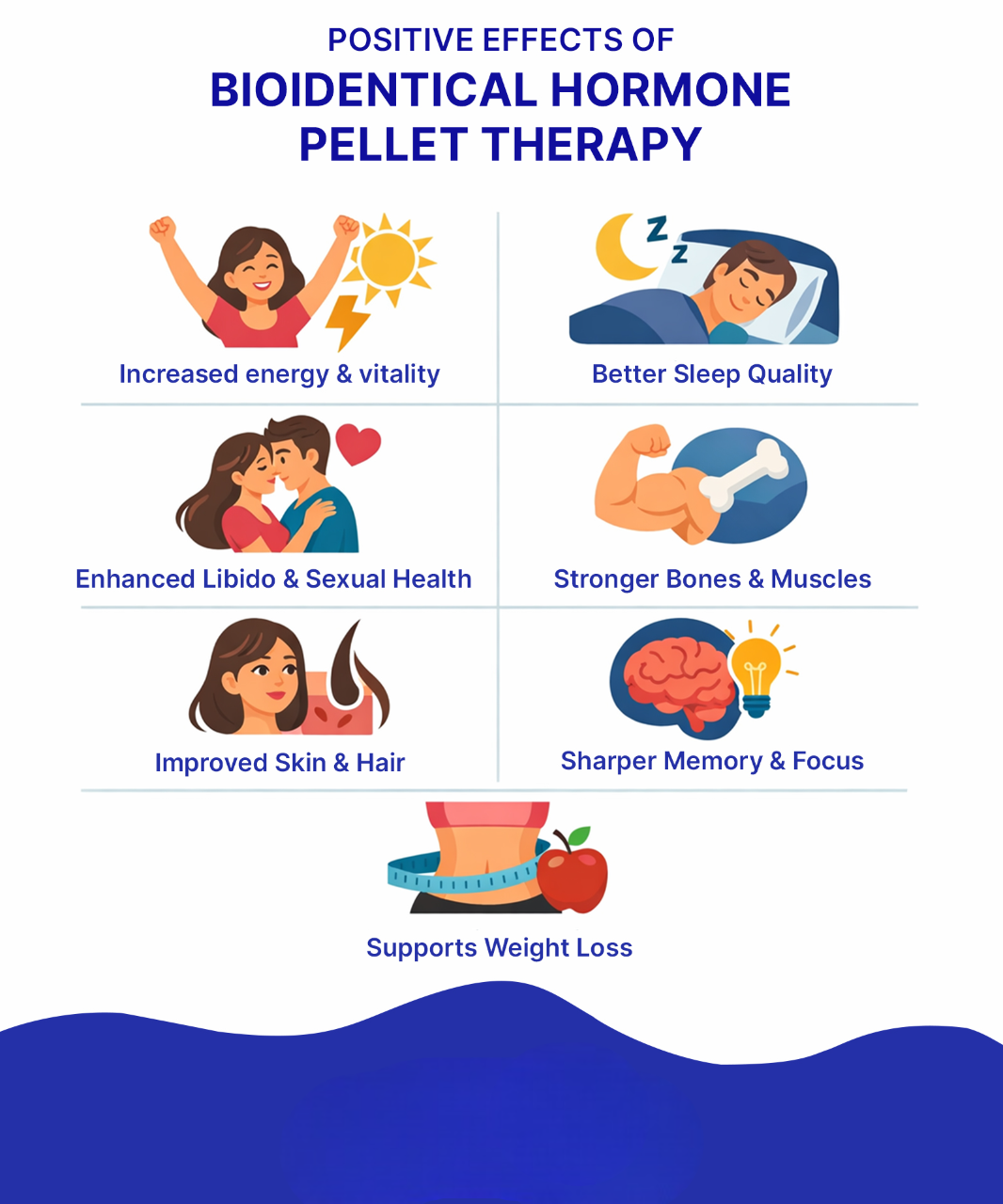
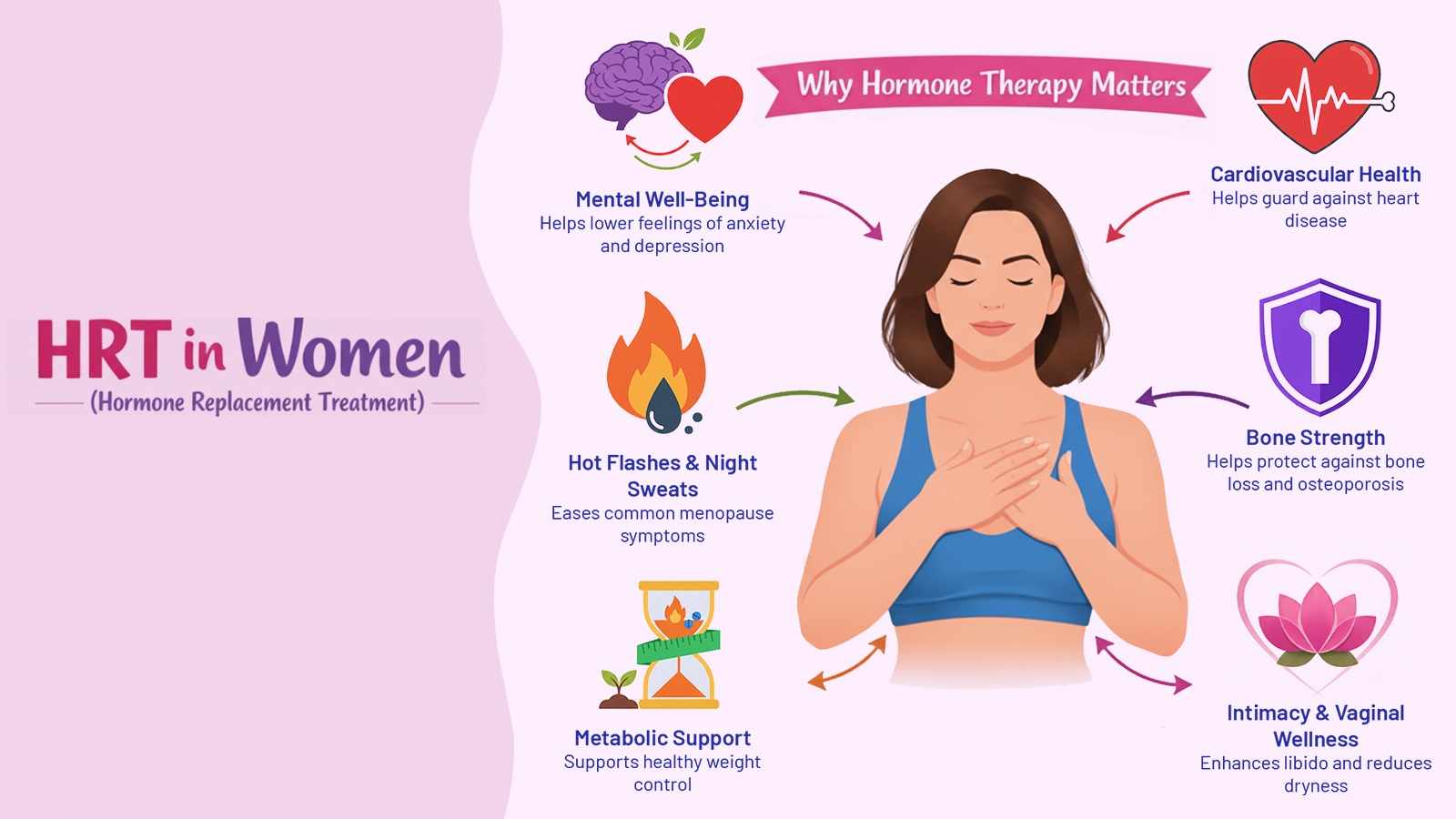
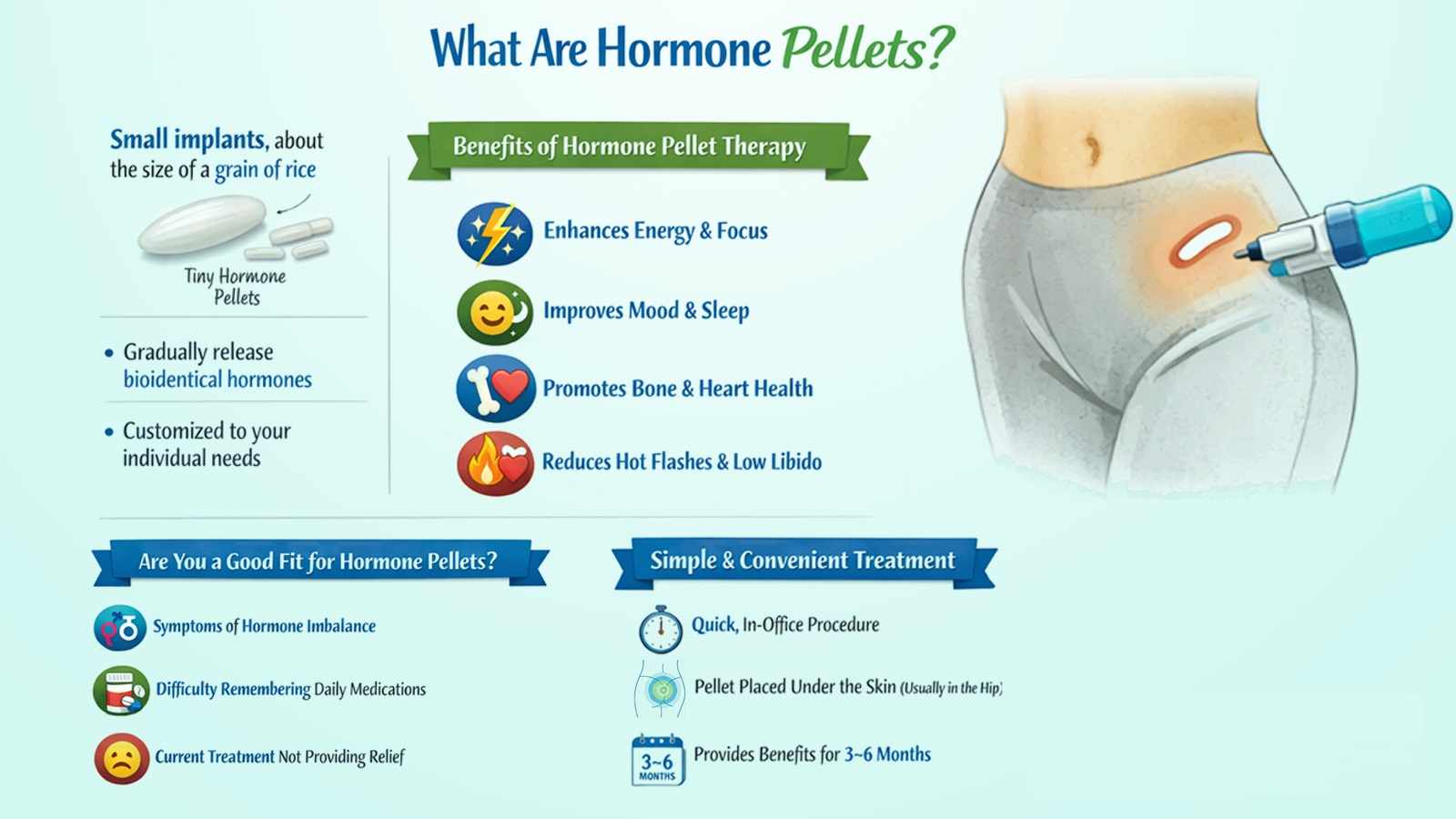
In cases of low testosterone, hormone replacement therapy may be recommended to restore balance and improve symptoms.
5. Medical Procedures
For more severe cases, advanced treatments may include:
Vacuum erection devices
Penile injections
Surgical options
These are typically considered when other treatments are not effective.
Preventing Erectile Dysfunction
While not all cases are preventable, you can reduce your risk by:
Maintaining a healthy weight
Staying physically active
Managing chronic conditions like diabetes and hypertension
Getting regular health check-ups
Prioritizing mental well-being
Prevention often starts with adopting a healthier lifestyle.
When to See a Doctor
It’s important to seek medical help if:
Erectile dysfunction is persistent
It causes stress or relationship problems
You have underlying health conditions
Early intervention can prevent complications and improve treatment success.
FAQs About Erectile Dysfunction
1. Is erectile dysfunction a normal part of aging?
While erectile dysfunction becomes more common with age, it is not a normal or unavoidable part of aging. Many older men maintain healthy sexual function with proper care and treatment.
2. Can erectile dysfunction be reversed?
In many cases, yes. Erectile dysfunction can often be improved or reversed through lifestyle changes, medical treatment, or addressing underlying conditions. The outcome depends on the cause and how early it is treated.
Final Takeaway
Erectile dysfunction is a common but manageable condition that should not be ignored or stigmatized. By understanding its causes and exploring available solutions, individuals can take proactive steps toward better health. Seeking timely medical advice and making healthy lifestyle choices can significantly improve both physical and emotional well-being.


Write a comment ...