
Studies show that up to 80% of women and nearly 40% of men experience some form of hormone imbalance during their lifetime, especially during aging, stress, or lifestyle changes. Hormones regulate many essential functions in the body, from energy and mood to sleep and metabolism. When these chemical messengers become unbalanced, everyday life can start to feel exhausting and unpredictable.
Hormone imbalance can affect both physical and emotional well-being. Many people experience unexplained fatigue, mood swings, sleep problems, or reduced motivation without realizing that fluctuating hormones may be the underlying cause. While lifestyle changes can help, some individuals may require medical approaches to restore balance. One option that has gained attention in recent years is pellet therapy, a treatment designed to provide consistent hormone levels over time.
This article explains what hormone imbalance is, how it affects the body, and how pellet therapy may help support hormone balance.
Understanding Hormone Imbalance
Hormones are chemical messengers produced by glands in the endocrine system. They travel through the bloodstream and regulate important processes such as metabolism, mood, reproduction, and sleep.
A hormone imbalance occurs when the body produces too much or too little of certain hormones. Even small fluctuations can disrupt normal body functions.
Common hormones involved in imbalance include:
Estrogen
Progesterone
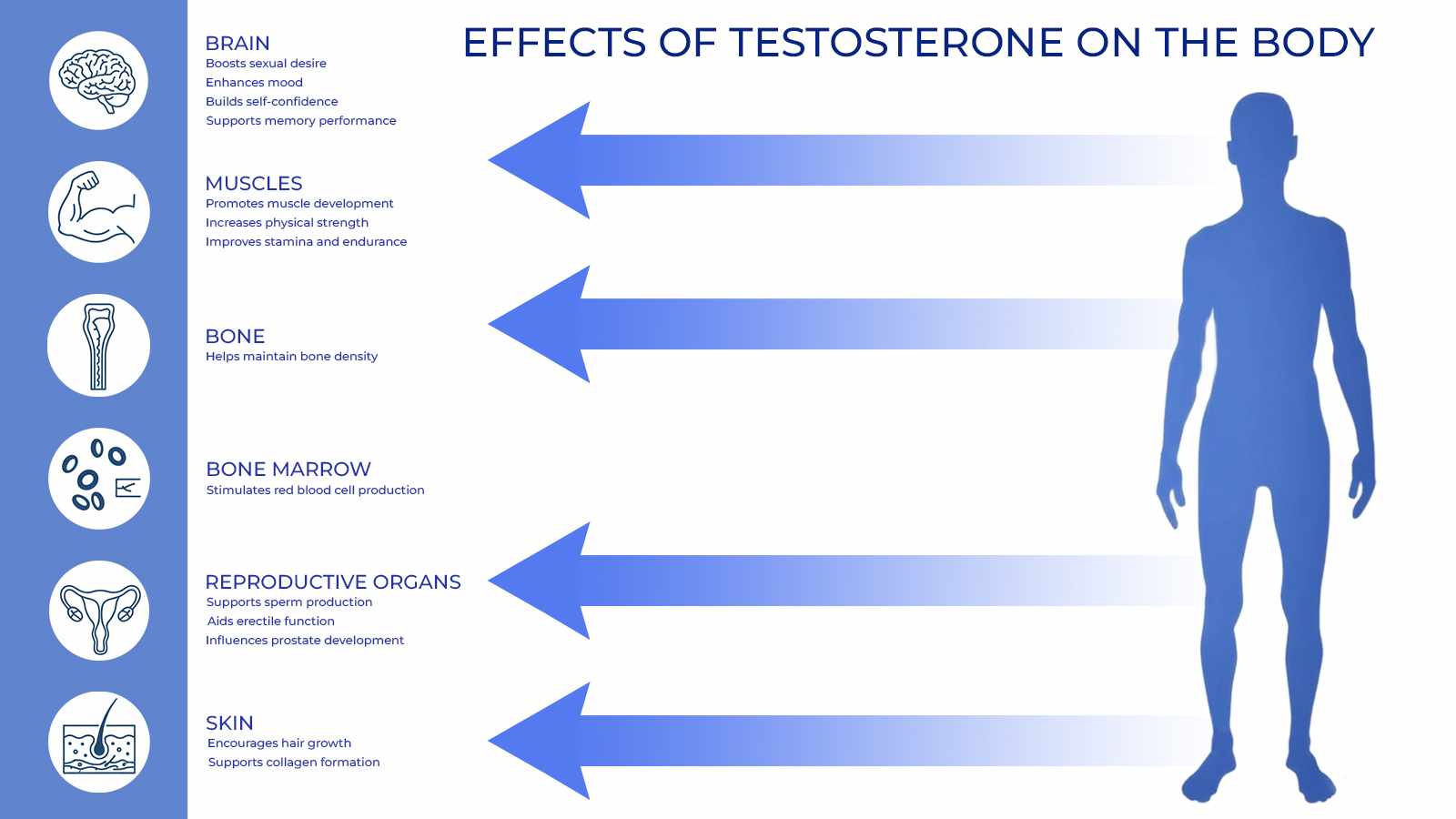
Testosterone
Cortisol
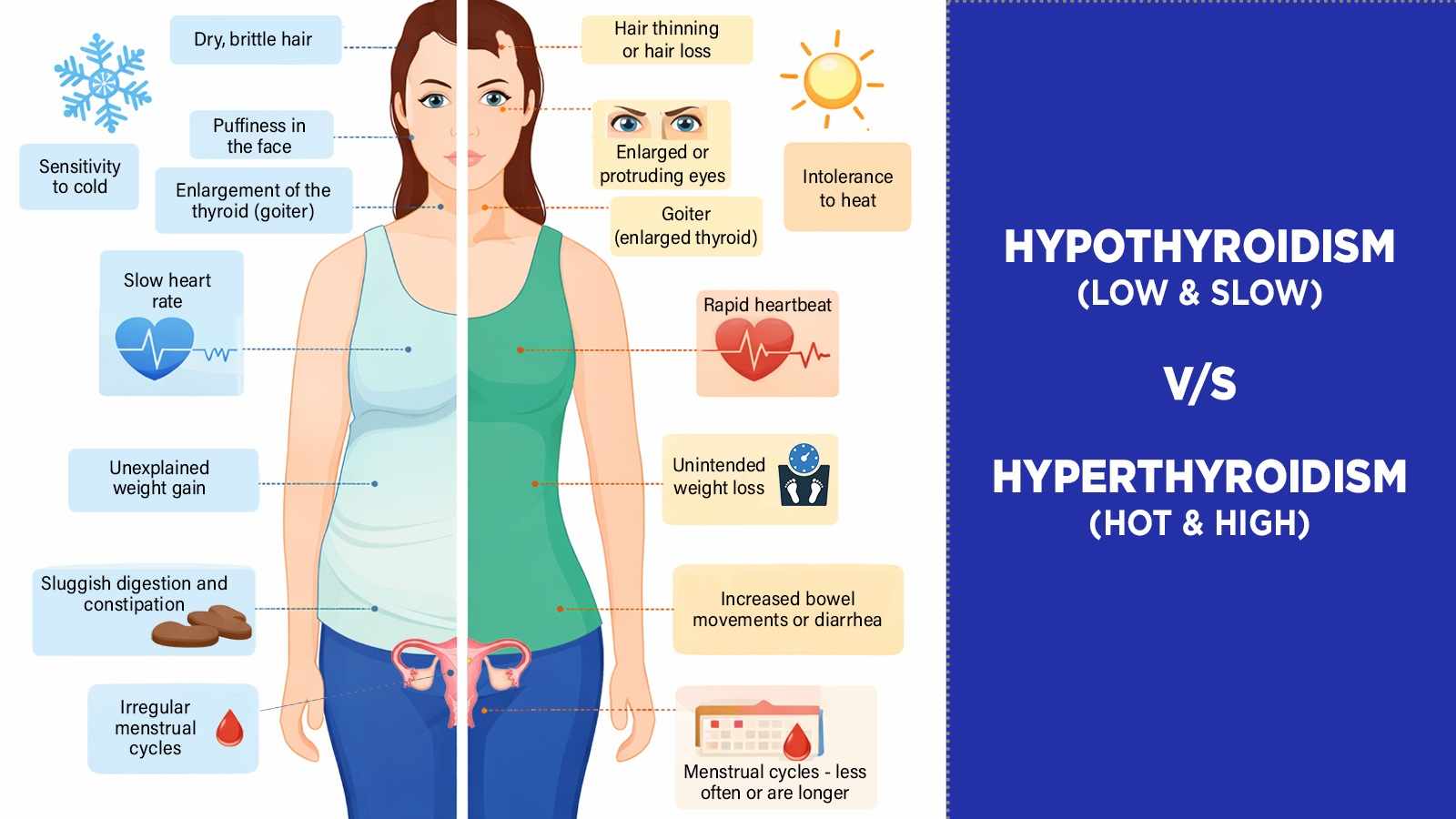
Thyroid hormones
Hormonal changes can happen naturally with aging, but lifestyle factors and medical conditions can also contribute to imbalance.
Common Causes of Hormone Imbalance
Several factors may disrupt hormone production or regulation. Understanding the causes can help people identify possible triggers.
1. Aging and Natural Life Stages
Hormone levels change naturally with age. For example:
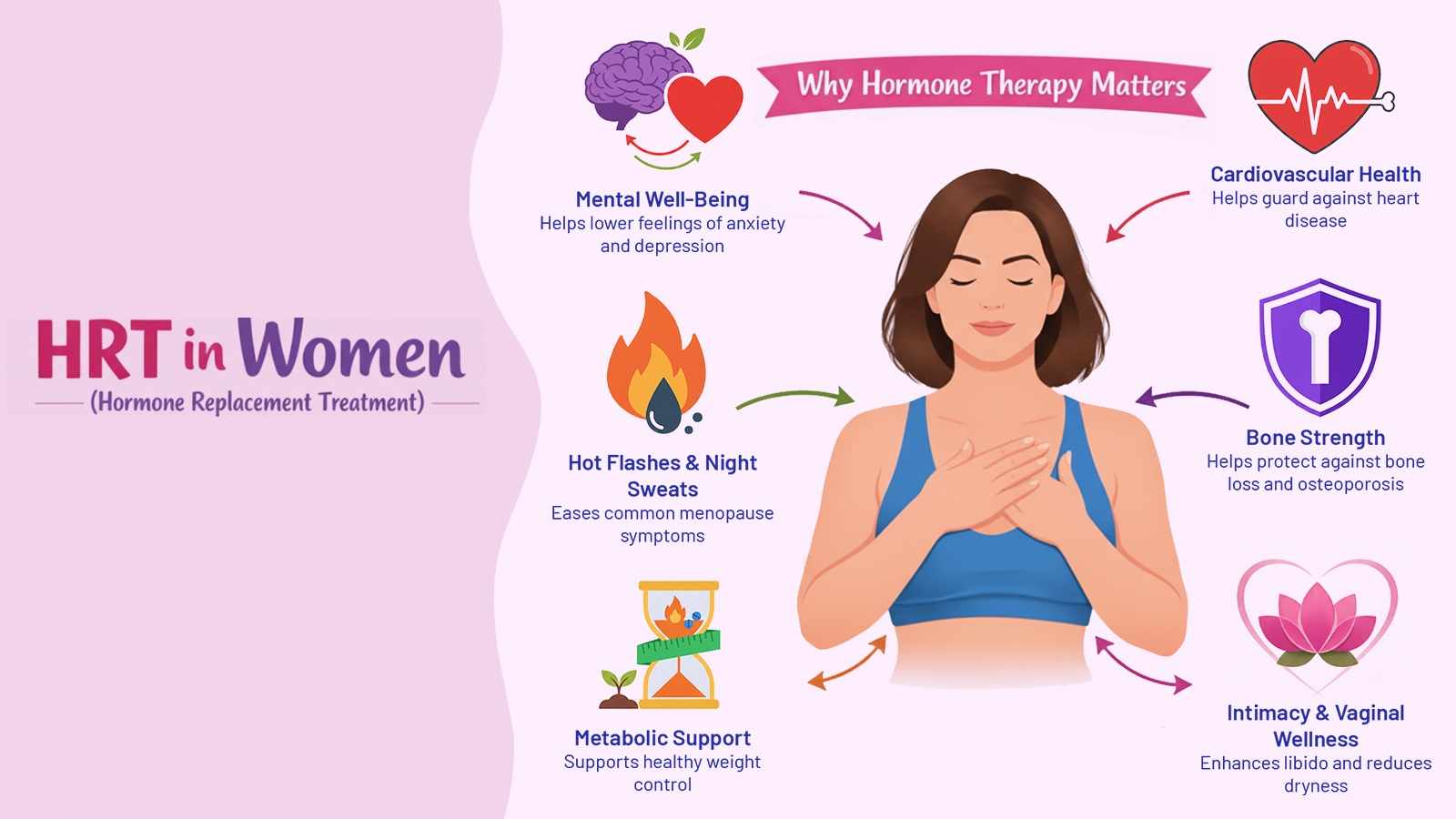
Women experience perimenopause and menopause, which reduce estrogen levels.
Men may experience andropause, where testosterone levels gradually decline.
2. Chronic Stress
Long-term stress increases the production of cortisol, often referred to as the “stress hormone.” Elevated cortisol can disrupt other hormone levels and affect sleep, mood, and metabolism.
3. Poor Sleep Habits
Lack of quality sleep can interfere with the body’s hormonal balance. Sleep regulates hormones responsible for appetite, mood, and energy.
4. Diet and Lifestyle Factors
Poor nutrition, lack of exercise, excessive alcohol consumption, and smoking can all affect hormone production.
5. Certain Medical Conditions
Conditions such as thyroid disorders, polycystic ovary syndrome (PCOS), and adrenal dysfunction can also lead to hormone imbalance.
Signs and Symptoms of Hormone Imbalance
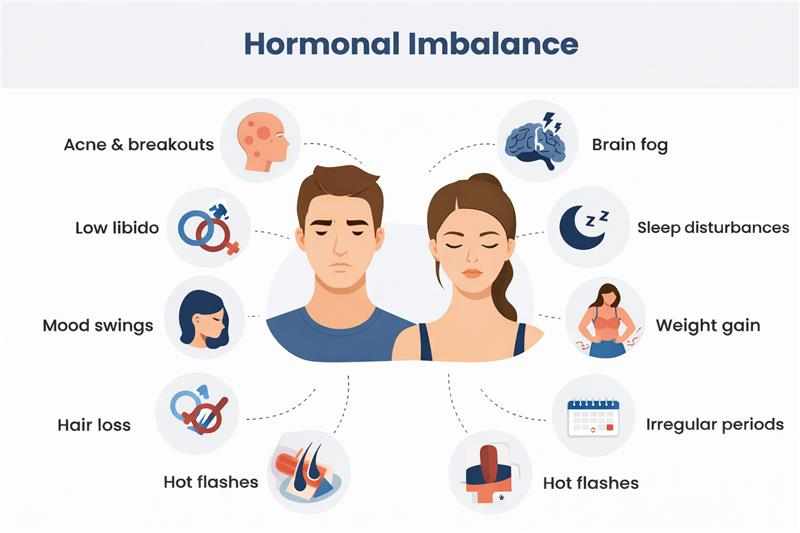
Hormone imbalance can affect people in different ways. Symptoms often develop gradually and may vary depending on which hormones are affected.
Common symptoms include:
Persistent fatigue or low energy
Mood swings or irritability
Difficulty sleeping or insomnia
Weight gain or difficulty losing weight
Reduced libido
Brain fog or trouble concentrating
Hot flashes or night sweats
Because these symptoms can overlap with other health conditions, proper medical evaluation is important.
What Is Pellet Therapy?
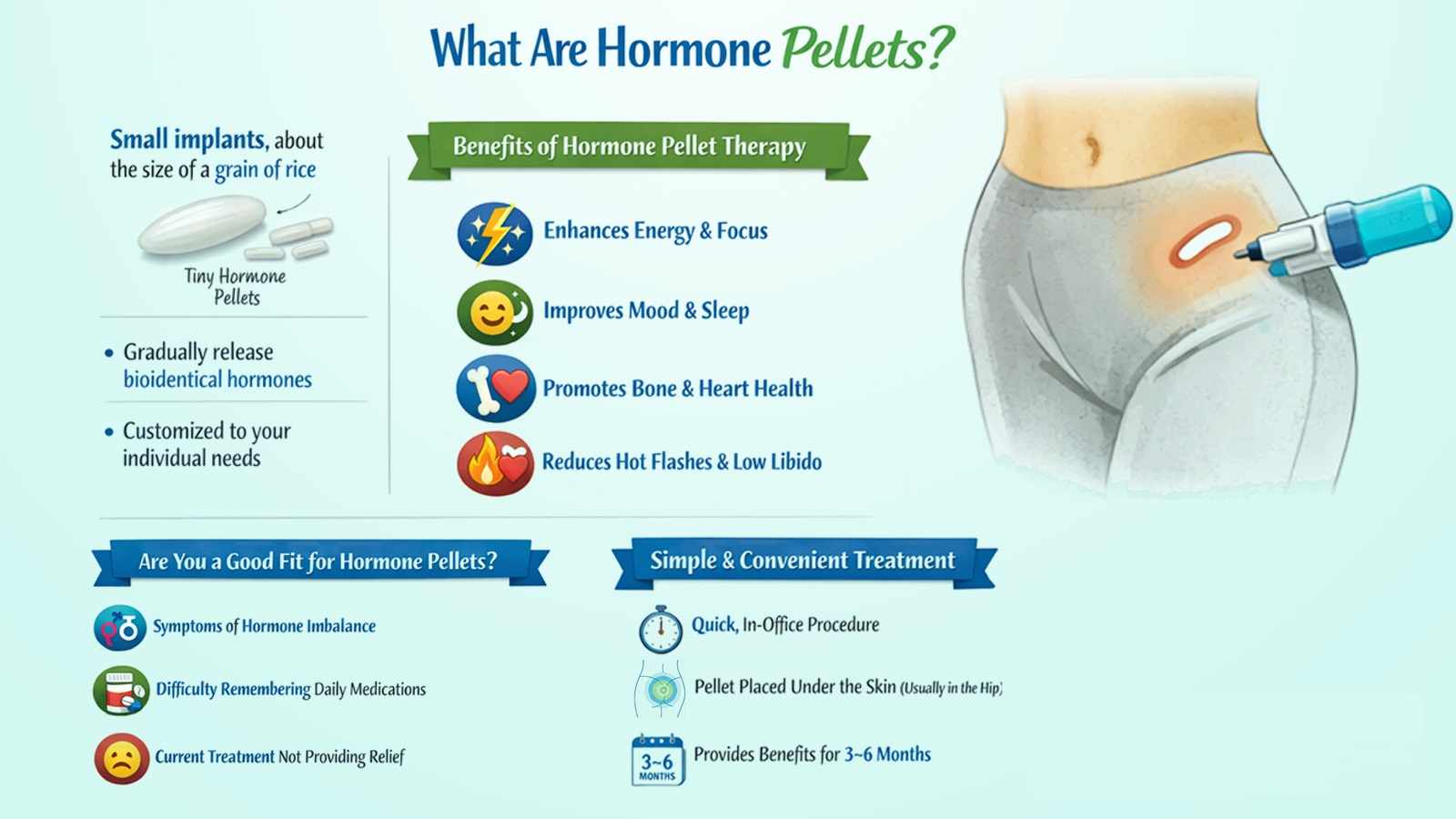
Pellet therapy is a form of hormone replacement therapy that uses small pellets inserted under the skin to deliver hormones gradually over time.
The pellets are typically about the size of a grain of rice and are placed under the skin, often in the hip area, during a simple medical procedure.
Once inserted, the pellets slowly release hormones into the bloodstream, helping maintain more stable levels compared to some other hormone therapies.
Pellet therapy may be used to help address hormone imbalance related to aging or other hormonal changes.
How Pellet Therapy Works
Pellet therapy works by providing a steady and consistent supply of hormones that mimic the body’s natural hormone production.
The process usually includes:
Hormone Testing
A healthcare provider evaluates symptoms and performs blood tests to determine hormone levels.Personalized Treatment Plan
Based on the results, a customized treatment plan is created.Pellet Insertion
The hormone pellet is inserted under the skin through a small incision.Gradual Hormone Release
The pellet slowly dissolves over several months, releasing hormones into the body.
Because the release is gradual, some individuals may experience fewer hormone fluctuations.
Potential Benefits of Pellet Therapy
While individual experiences vary, some people report improvements in symptoms related to hormone imbalance after treatment.
Possible benefits may include:
Improved energy levels
Better sleep quality
Enhanced mood stability
Improved mental clarity
Increased libido
Reduced hot flashes or night sweats
It is important to note that results depend on individual health conditions and proper medical guidance.
Lifestyle Changes That Support Hormone Balance
Medical treatments such as pellet therapy may be helpful in some cases, but lifestyle habits also play a major role in maintaining hormone health.
Consider the following strategies:
Maintain a Balanced Diet
Eating whole foods rich in protein, healthy fats, and fiber can support hormone production.
Prioritize Sleep
Aim for 7–9 hours of quality sleep each night to help regulate hormone levels.
Manage Stress
Activities such as meditation, exercise, or breathing techniques can help lower cortisol levels.
Stay Physically Active
Regular exercise helps regulate hormones involved in metabolism, mood, and energy.
Limit Processed Foods and Sugar
Highly processed foods can disrupt metabolic and hormonal balance.
These lifestyle habits can complement medical treatments and support overall well-being.
When to Talk to a Healthcare Professional
If symptoms of hormone imbalance persist for several months and interfere with daily life, it may be helpful to consult a qualified healthcare provider.
Medical professionals can:
Evaluate hormone levels through testing
Identify underlying conditions
Discuss possible treatment options such as pellet therapy or other hormone therapies
Proper diagnosis is essential before starting any form of treatment.
FAQs
1. How long does pellet therapy last?
Pellet therapy typically lasts three to six months, depending on the individual’s metabolism and hormone needs. Over time, the pellet gradually dissolves and releases hormones into the body.
2. Is pellet therapy safe for hormone imbalance?
Pellet therapy can be safe when administered and monitored by a qualified healthcare provider. Proper evaluation, hormone testing, and ongoing monitoring are important to ensure the therapy is appropriate for each individual.
Final Takeaway
Hormones play a crucial role in regulating energy, mood, sleep, and overall health. When hormone imbalance occurs, it can affect many aspects of daily life. Understanding the symptoms and potential causes is the first step toward restoring balance.
Approaches such as pellet therapy, combined with healthy lifestyle habits, may help some individuals manage hormone changes more effectively. Staying informed and seeking professional medical guidance can empower people to make better decisions about their hormonal health and overall well-being.



Write a comment ...