
Back pain is one of the leading causes of disability worldwide, affecting nearly 80% of adults at some point in their lives. Chronic lower back pain alone impacts millions and often reduces mobility, work productivity, and quality of life. As non-surgical treatments evolve, shockwave therapy has emerged as a promising, science-backed option for long-term pain relief and tissue recovery.
What Is Shockwave Therapy?
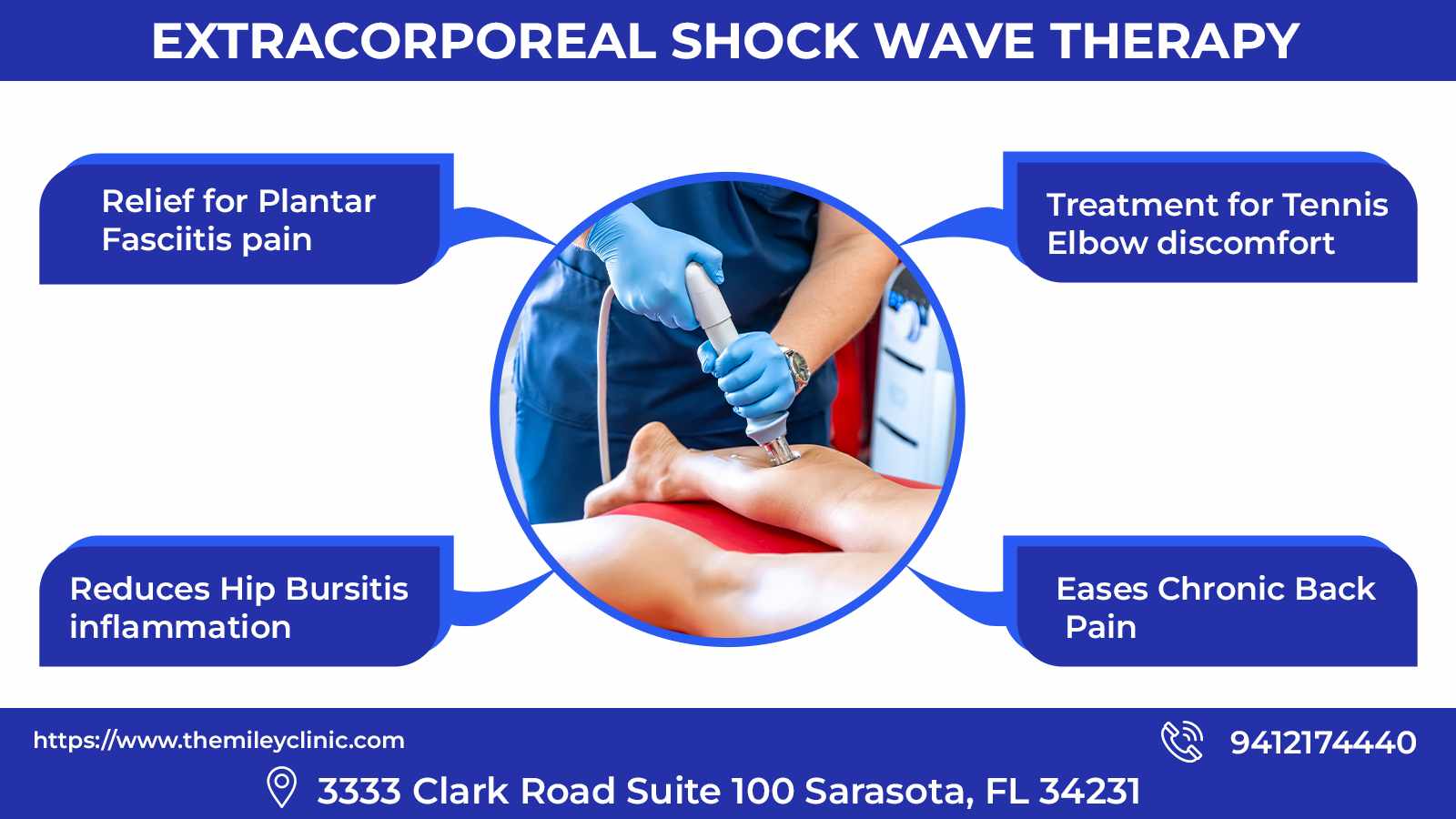
Shockwave therapy, also known as extracorporeal shock wave therapy (ESWT), is a non-invasive treatment that uses acoustic sound waves to stimulate healing in damaged tissues. Originally developed to treat kidney stones, it is now widely used in musculoskeletal medicine.
In back pain management, shockwave therapy works by delivering controlled pulses of energy to targeted areas of the spine and surrounding soft tissues.
Key Features of Shockwave Therapy
Non-surgical and drug-free
Performed in outpatient settings
Short treatment sessions (typically 15–20 minutes)
Minimal downtime
This therapy is increasingly being explored not only for lower back pain but also for shock wave therapy in neck pain, shoulder injuries, and tendon disorders.
The Science Behind Shockwave Therapy
Understanding how shockwave therapy works helps explain why it can be effective for chronic back pain.
1. Stimulates Blood Flow
Shockwaves create microtrauma in the targeted tissues. While this sounds concerning, controlled microtrauma actually stimulates the body’s natural healing response.
Increases local blood circulation
Enhances oxygen and nutrient delivery
Promotes tissue regeneration
2. Breaks Down Scar Tissue
Chronic back pain is often associated with tight muscles and fibrotic scar tissue. Shockwave therapy helps:
Break down calcifications
Loosen stiff connective tissues
Improve flexibility
3. Reduces Pain Signals
Shockwave therapy influences pain perception by affecting nerve endings. It may:
Reduce substance P (a pain-transmitting chemical)
Desensitize nerve receptors
Interrupt chronic pain cycles
4. Stimulates Collagen Production
Collagen is essential for healthy ligaments, tendons, and muscles. The acoustic waves promote collagen synthesis, improving structural integrity and long-term healing.
Conditions Where Shockwave Therapy Helps
Shockwave therapy is commonly used for various back-related conditions, including:
Chronic lower back pain
Myofascial pain syndrome
Muscle trigger points
Lumbar strain
Sciatica-related muscular tension
Facet joint pain
It is also used in managing shock wave therapy in neck pain, especially in cases of cervical muscle tightness, postural strain, and chronic stiffness.
Benefits of Shockwave Therapy for Back Pain
Patients often seek non-invasive options before considering injections or surgery. Here are the major benefits:
1. Non-Invasive and Safe
There are no incisions, anesthesia, or surgical risks. Most people tolerate the treatment well.
2. Faster Recovery
Compared to invasive procedures, recovery is significantly quicker. Many patients resume daily activities immediately.
3. Drug-Free Pain Relief
Shockwave therapy reduces reliance on pain medications, including NSAIDs and opioids.
4. Long-Term Improvement
Instead of masking symptoms, shockwave therapy targets the root cause by stimulating tissue repair.
5. Improved Mobility
By reducing stiffness and muscle tightness, patients often experience:
Better flexibility
Improved posture
Increased range of motion
What to Expect During the Procedure
Knowing what happens during treatment can ease anxiety.
Before Treatment
Clinical assessment and diagnosis
Identification of painful trigger points
No special preparation required
During Treatment
A gel is applied to the skin
A handheld device delivers acoustic pulses
Mild discomfort may be felt, especially in sensitive areas
Each session typically lasts 15–20 minutes. Most treatment plans include 3–6 sessions spaced one week apart.
Recovery Phases After Shockwave Therapy
Recovery from shockwave therapy follows a predictable pattern. Understanding these phases helps set realistic expectations.
Phase 1: Immediate Response (0–48 Hours)
Mild soreness or redness
Temporary increase in discomfort
Local inflammation begins healing process
This phase indicates that the body is responding to stimulation.
Phase 2: Regenerative Phase (1–6 Weeks)
Increased blood circulation
Collagen production improves
Gradual pain reduction
Many patients notice steady improvement during this stage.
Phase 3: Remodeling Phase (6–12 Weeks)
Tissue strengthens
Scar tissue reorganizes
Mobility significantly improves
Long-term benefits become more noticeable during this phase.
Is Shockwave Therapy Painful?
Most patients describe the sensation as tolerable discomfort rather than severe pain. The intensity can be adjusted according to individual sensitivity.
For chronic cases such as shock wave therapy in neck pain, practitioners often use lower intensity levels due to the sensitivity of cervical tissues.
Who Should Avoid Shockwave Therapy?
While generally safe, it may not be suitable for:
Pregnant women
Individuals with bleeding disorders
Patients with pacemakers (depending on device type)
Active infections near treatment area
Certain nerve disorders
A proper medical evaluation is essential before starting treatment.
How Effective Is Shockwave Therapy?
Clinical research suggests that shockwave therapy can significantly reduce chronic musculoskeletal pain, especially when combined with:
Physical therapy
Postural correction
Strengthening exercises
Lifestyle modifications
Consistency and proper diagnosis play a key role in achieving optimal outcomes.
Frequently Asked Questions (FAQs)
1. How many sessions of shockwave therapy are needed for back pain?
Most patients require 3–6 sessions depending on the severity and duration of pain. Chronic conditions may require additional treatments.
2. Can shockwave therapy treat both back and neck pain?
Yes. Shockwave therapy is commonly used for lower back pain as well as shock wave therapy in neck pain, particularly in cases of muscle tension, trigger points, and chronic stiffness.
Final Takeaway
Back pain can be persistent and frustrating, but innovative, non-invasive treatments like shockwave therapy offer a promising path toward recovery. By stimulating natural healing, improving blood flow, and reducing pain signals, this therapy addresses the root cause rather than just masking symptoms. Always consult a qualified healthcare professional to determine whether shockwave therapy is appropriate for your condition and recovery goals.

Write a comment ...