Plantar fasciitis is one of the most common causes of heel pain, affecting millions of adults worldwide. Those struggling with this condition know how disruptive it can be to daily life—simple activities like walking, standing, or exercising can become painful challenges. While traditional treatments like orthotics, stretches, and medications often help, many patients are now turning to shockwave therapy for faster and more effective relief. In this article, we explore everything you need to know about shockwave treatment for plantar fasciitis, including its benefits, procedure, and expected results.
What Is Shockwave Therapy for Plantar Fasciitis?
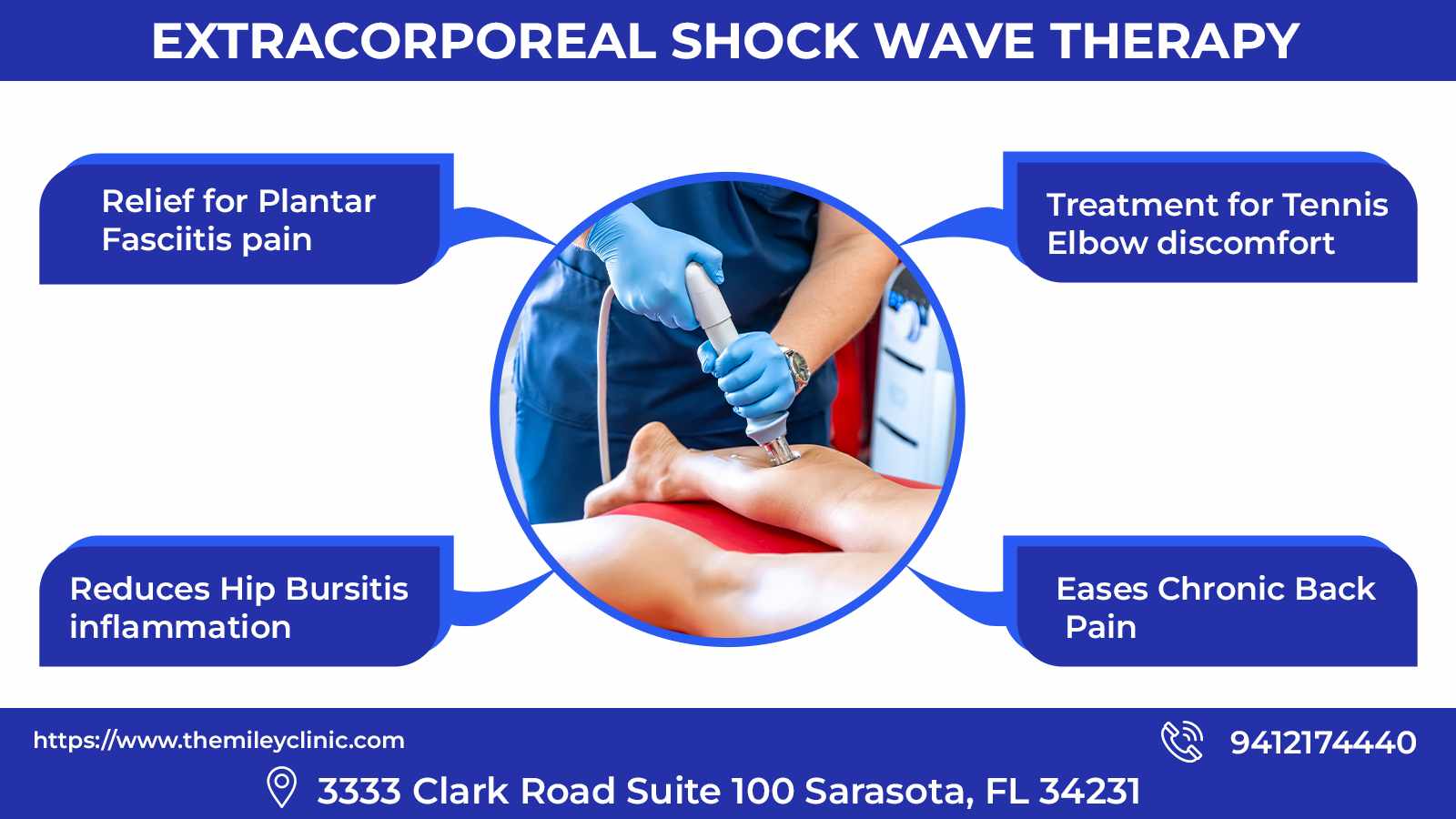
Shockwave therapy, also known as extracorporeal shockwave therapy (ESWT), is a non-invasive treatment that uses acoustic waves to stimulate healing in damaged tissues. Originally used for breaking kidney stones, this technology has been adapted to treat musculoskeletal conditions, including plantar fasciitis.
Unlike traditional methods that focus on symptom management, shockwave therapy targets the root cause of heel pain by promoting tissue regeneration and reducing inflammation.
How Shockwave Therapy Works for Heel Pain
Shockwave therapy delivers high-energy sound waves directly to the plantar fascia—the thick band of tissue running along the bottom of the foot. These waves:
Increase blood circulation to the affected area
Stimulate collagen production for tissue repair
Reduce calcifications and scar tissue that contribute to pain
Trigger natural healing responses in the body
Over multiple sessions, these mechanisms help restore normal foot function, making walking and standing more comfortable.
Key Benefits of Shockwave Treatment
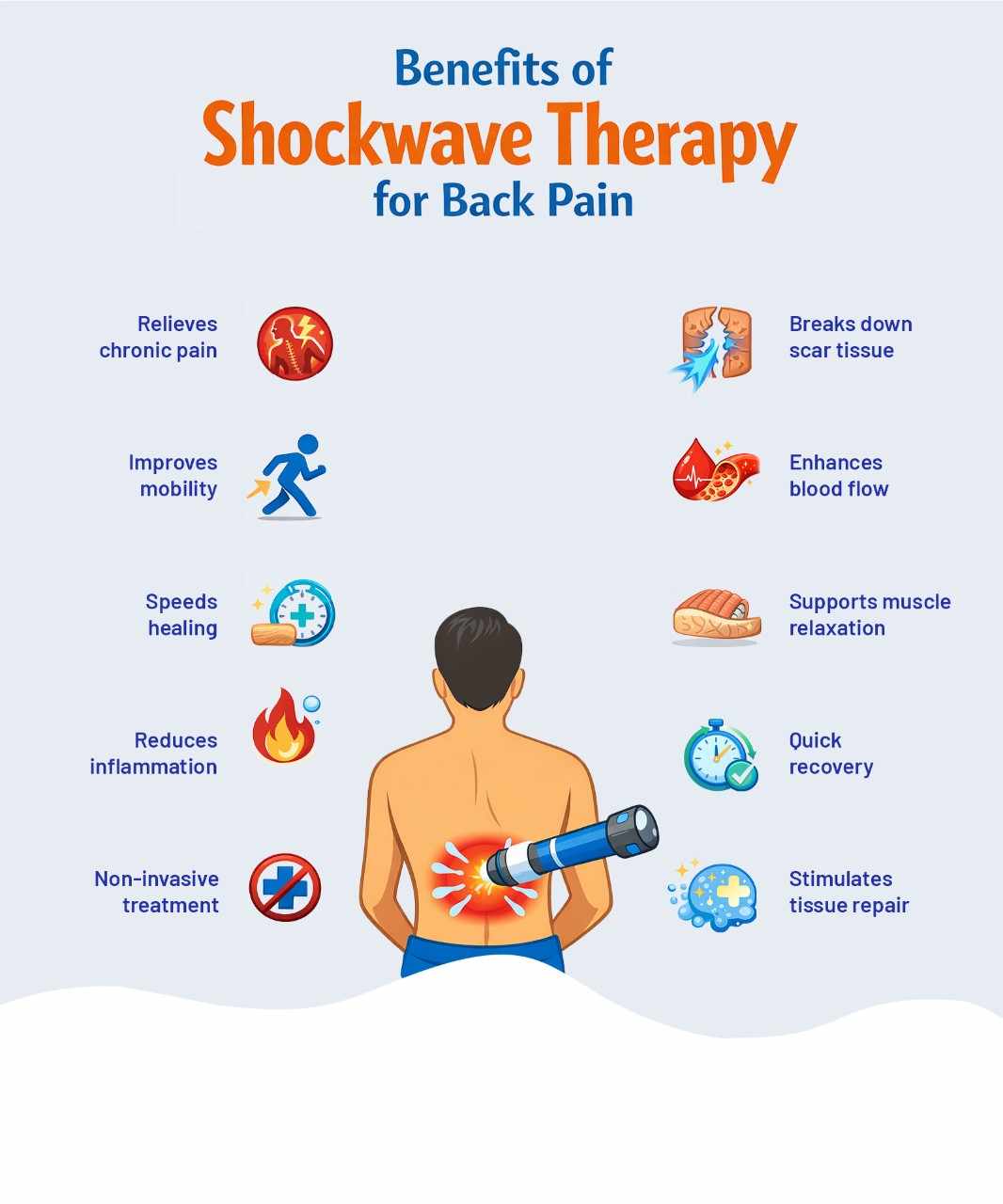
Shockwave therapy offers several advantages over conventional plantar fasciitis treatments:
Accelerated Healing – Patients often notice improvement within a few weeks compared to months with traditional therapies.
Non-Invasive Approach – No surgical incisions or prolonged recovery periods are required.
Reduced Pain & Inflammation – Targeted acoustic waves help minimize discomfort without heavy reliance on medications.
Improved Foot Function – By promoting tissue repair, patients regain mobility and flexibility faster.
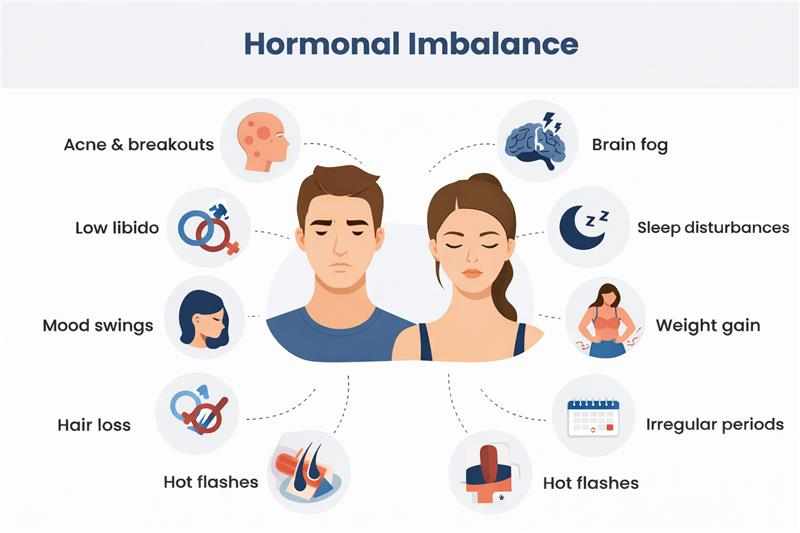
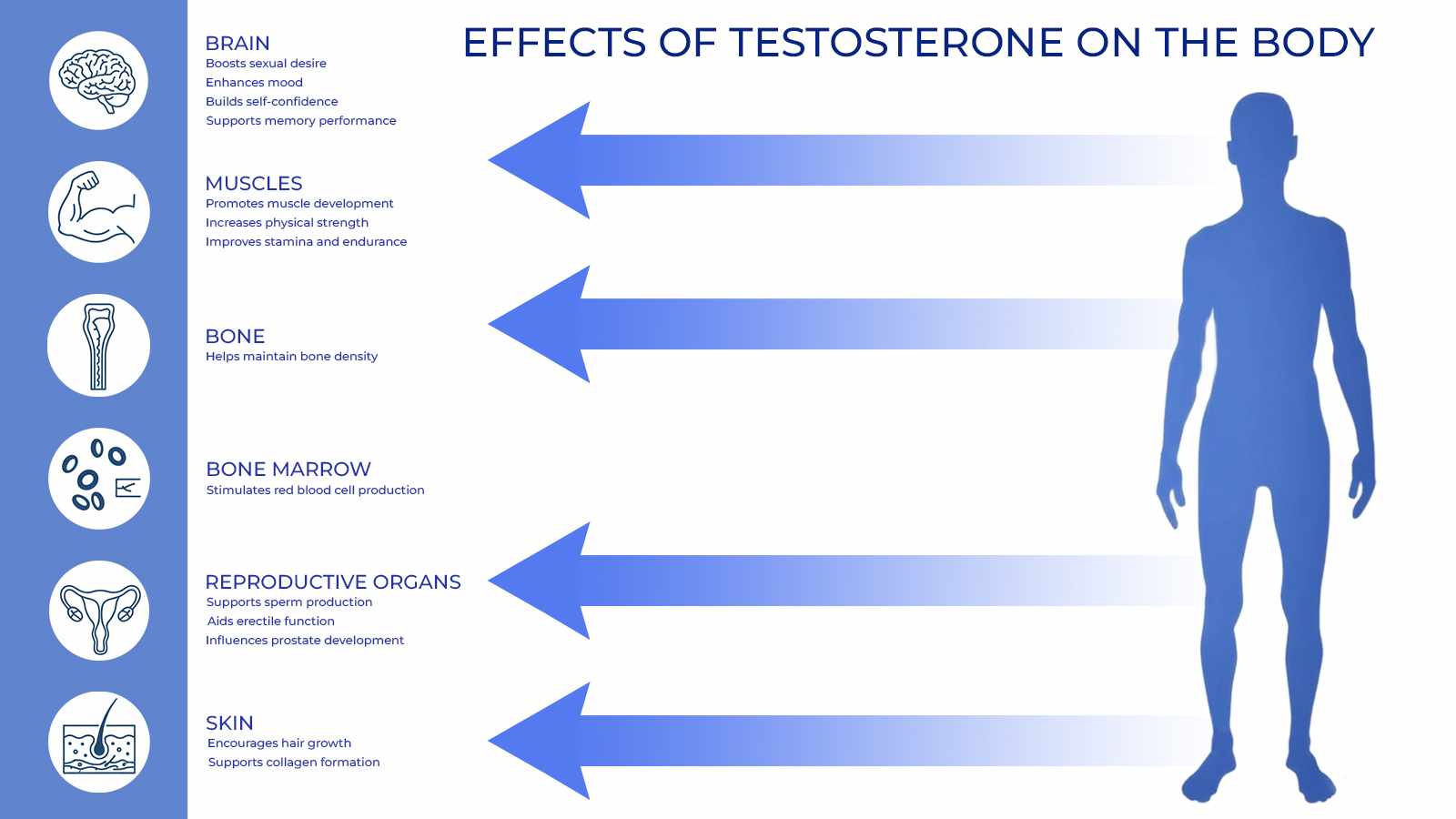
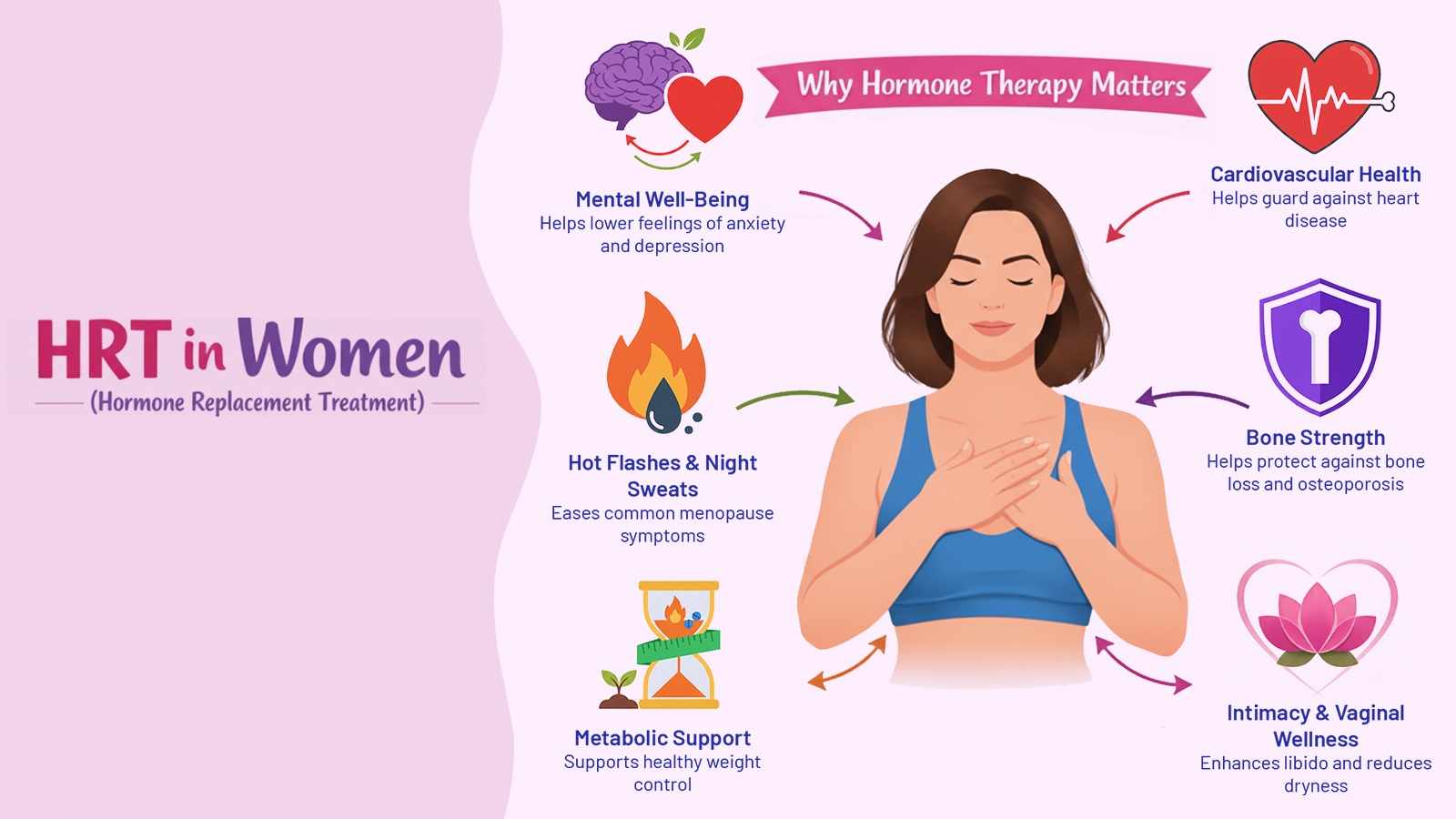
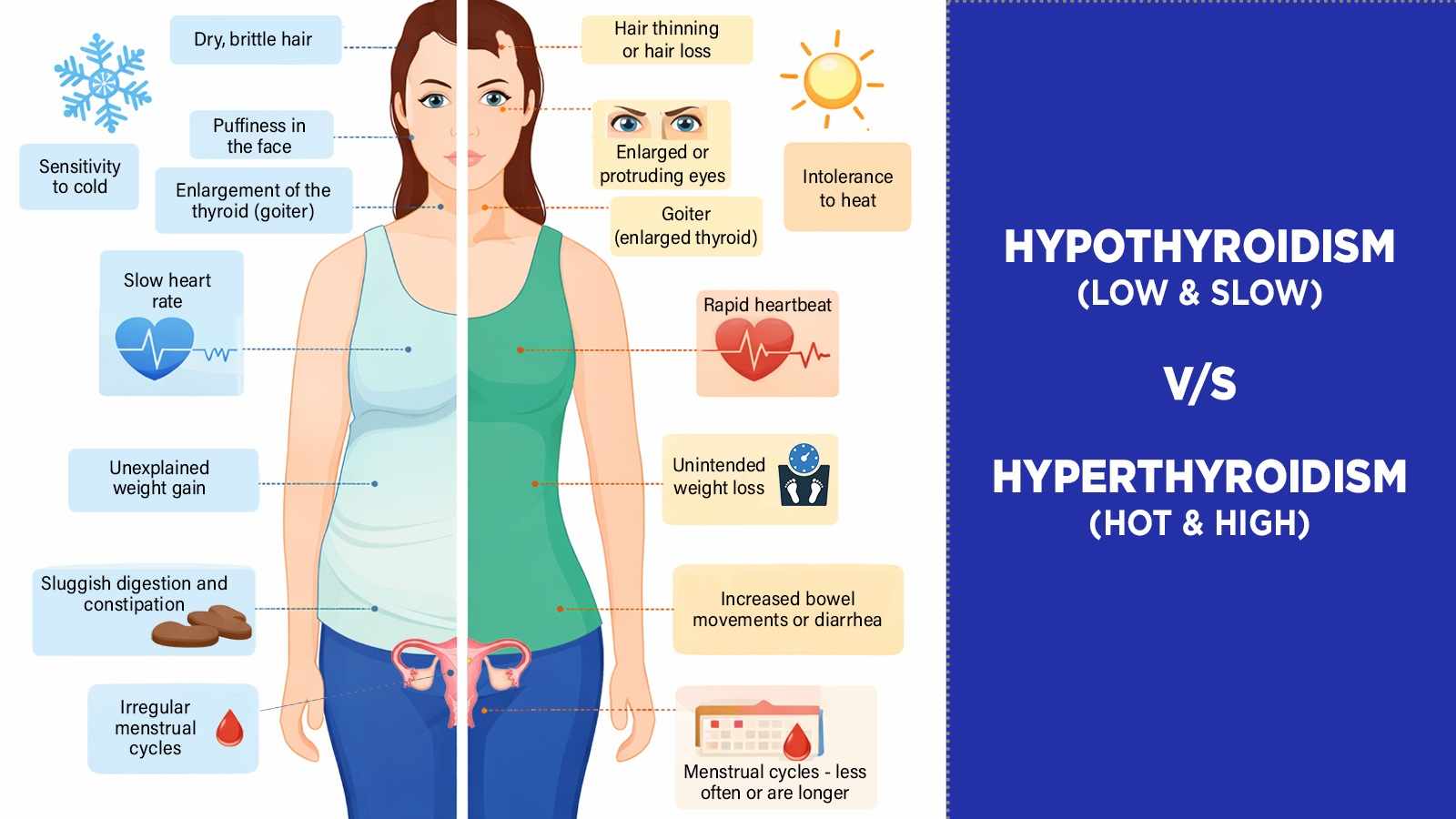
Interestingly, recent research suggests that systemic factors like hormonal imbalance can influence chronic inflammation and healing rates. Conditions such as hormonal imbalance in females or hormonal imbalance in men may slow recovery, making personalized care—including exercise, diet, and therapy—essential. Incorporating the best diet for hormonal imbalance can indirectly support the healing process.
Non-Invasive Pain Relief Advantages
One of the most appealing aspects of shockwave therapy is that it’s completely non-invasive. Unlike surgery, which carries risks such as infection and long recovery times, shockwave treatment allows patients to maintain their daily routine.
Other non-invasive benefits include:
Minimal discomfort during sessions
No anesthesia required
Low risk of complications
Short treatment sessions, typically 15–20 minutes
This makes it an attractive option for patients hesitant about invasive procedures or those who want to avoid long-term medication use.
Shockwave Therapy Success Rates & Results
Studies and clinical observations indicate high success rates for shockwave therapy in treating plantar fasciitis. Approximately 70–85% of patients report significant pain reduction after a series of 3–5 sessions.
Patients often notice improvements such as:
Reduced morning heel pain
Greater ability to stand or walk for longer periods
Increased participation in physical activities
Results can vary depending on the severity of the condition and individual factors, such as overall health, activity level, and even metabolic influences like cause of hormonal imbalance.
Clinical Studies on Plantar Fasciitis Relief
Numerous clinical trials support shockwave therapy’s effectiveness:
A 2020 study published in the Journal of Foot & Ankle Research found that patients receiving ESWT experienced faster pain relief compared to those using orthotics and stretching exercises alone.
Another randomized controlled trial reported long-term improvements in foot function, even 12 months post-treatment.
These findings suggest that shockwave therapy isn’t just a temporary fix—it actively supports the healing process, making it a reliable treatment for chronic heel pain.
What to Expect During the Procedure
Shockwave therapy sessions are straightforward and outpatient-based. Typical steps include:
Assessment & Targeting – The clinician identifies the exact location of pain using palpation or ultrasound imaging.
Application of Acoustic Waves – A handheld device delivers shockwaves to the plantar fascia.
Duration – Sessions usually last 15–20 minutes, depending on severity.
Post-Treatment Care – Patients may experience mild soreness, which usually resolves within a day or two. Normal activities can generally be resumed immediately.
Most treatment plans involve 3–5 sessions, spaced 5–7 days apart.
Potential Side Effects and Risks
While shockwave therapy is generally safe, some patients may experience temporary side effects, including:
Mild pain or discomfort during treatment
Redness or swelling in the treated area
Tingling or numbness (rare)
Severe complications are uncommon, and the therapy is considered a low-risk option compared to surgery or long-term medication use.
Shockwave vs Traditional Plantar Fasciitis Treatments
Traditional treatments include:
Stretching exercises
Orthotics or heel pads
Anti-inflammatory medications
Corticosteroid injections
Surgery (in severe cases)
Shockwave therapy differs by actively stimulating tissue repair rather than simply managing symptoms. It is particularly useful for patients whose pain persists despite conservative treatments.
Is Shockwave Therapy Right for You?
Shockwave therapy may be ideal if you:
Have chronic plantar fasciitis not responding to standard care
Want to avoid surgery
Prefer faster recovery with non-invasive methods
It is generally safe for most adults but should be avoided in cases of:
Blood clotting disorders
Active infections
Pregnancy
Consulting a foot specialist can help determine if ESWT fits your individual needs. Additionally, managing systemic factors like hormonal imbalance, which can impact healing, may further enhance treatment outcomes.
FAQs
Q1: How long does it take to feel relief from shockwave therapy?
Most patients notice improvement within 2–4 weeks, although optimal results are often achieved after the full series of 3–5 sessions.
Q2: Can shockwave therapy prevent plantar fasciitis from returning?
While it promotes tissue healing, recurrence can occur if underlying causes—like poor footwear, overuse, or metabolic factors such as hormonal imbalance—aren’t addressed. Regular stretching, proper shoes, and lifestyle adjustments help maintain long-term results.

Write a comment ...