
Hormones quietly direct nearly every process in a woman’s body—from mood and metabolism to fertility and sleep. When these chemical messengers fall out of balance, the effects can ripple through daily life in subtle or dramatic ways. Many women experience changes without realizing hormones are the root cause, often attributing symptoms to stress, aging, or lifestyle alone.
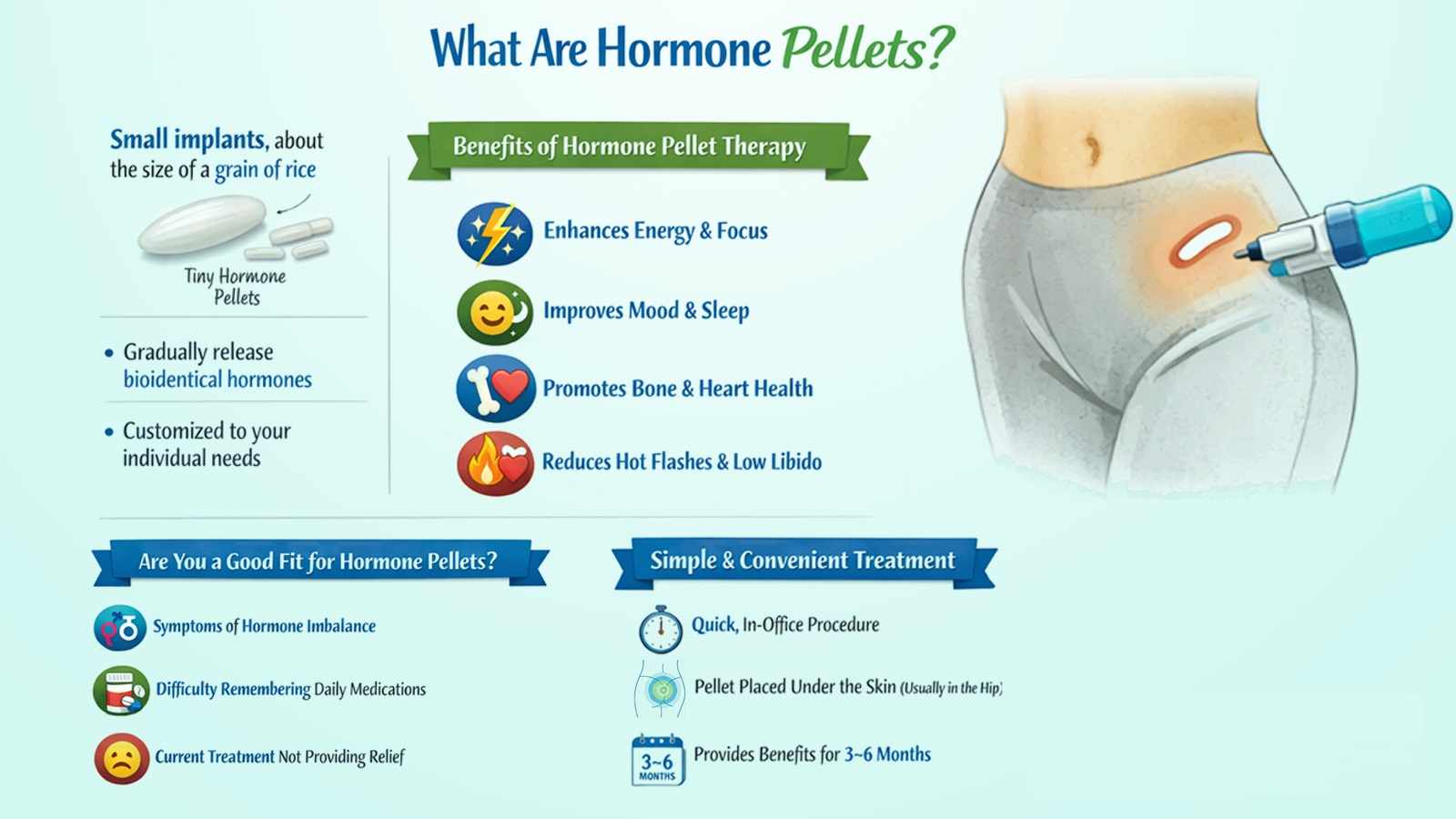
Understanding the early signals can help you seek timely care and avoid long-term complications. Whether the solution eventually involves lifestyle changes, medical evaluation, or options like female hormone replacement therapy or bioidentical hormone therapy for women, recognizing the symptoms of hormone imbalance in women is the first critical step.
Common Causes of Hormonal Imbalance
Hormonal shifts are normal during puberty, pregnancy, and menopause, but imbalances can also arise unexpectedly. Common causes include:
Chronic stress, which disrupts cortisol and sex hormones
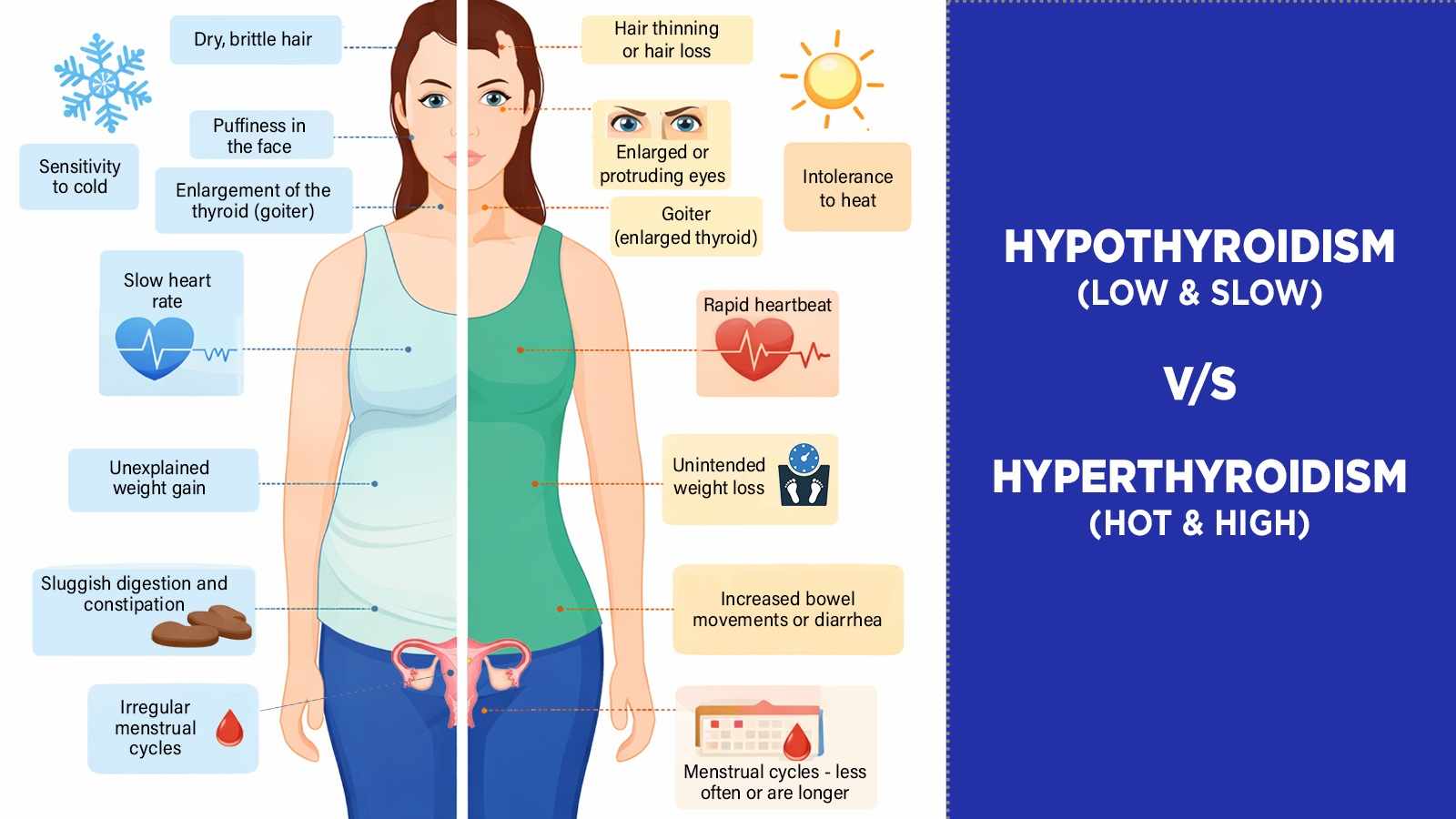
Thyroid disorders affecting metabolism and energy
Polycystic ovary syndrome (PCOS)
Poor nutrition or extreme dieting
Lack of sleep and irregular routines
Certain medications, including birth control or steroids
Environmental toxins and endocrine-disrupting chemicals may also interfere with hormone production, making modern life a hidden contributor.
Early Warning Signs You Shouldn’t Ignore
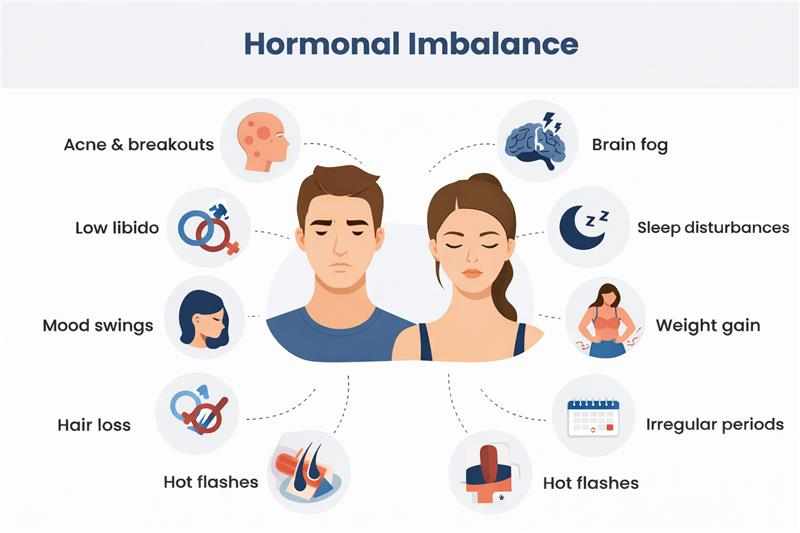
Hormone imbalance rarely announces itself with a single clear symptom. Instead, it often presents as a cluster of small changes that grow over time. Pay attention if you notice:
Persistent fatigue despite adequate rest
Unexplained weight changes
Emotional instability without obvious triggers
Changes in menstrual patterns
Tracking symptoms over weeks can reveal patterns that point to an underlying hormonal issue.
Menstrual Cycle Changes and Irregularities
Your menstrual cycle is one of the most reliable indicators of hormonal health. Irregular periods, skipped cycles, unusually heavy bleeding, or severe cramps can signal estrogen or progesterone imbalances.
Common menstrual-related red flags include:
Cycles shorter than 21 days or longer than 35 days
Spotting between periods
Extremely painful menstruation
Sudden changes in flow intensity
These changes may reflect conditions such as PCOS, thyroid disorders, or perimenopause.
Mood Swings, Anxiety, and Depression
Hormones strongly influence brain chemistry. Fluctuations in estrogen and progesterone can alter serotonin and dopamine levels, affecting emotional stability.
You may notice:
Sudden irritability or tearfulness
Heightened anxiety without a clear cause
Low mood or loss of interest in usual activities
Emotional sensitivity before or after periods
While mental health conditions deserve independent evaluation, hormonal imbalance often plays a contributing role.
Fatigue, Sleep Issues, and Low Energy
Feeling constantly drained is one of the most common complaints linked to hormonal disruption. Imbalances in thyroid hormones, cortisol, or progesterone can disturb sleep cycles and energy regulation.
Warning signs include:
Difficulty falling or staying asleep
Waking up unrefreshed
Afternoon energy crashes
Needing excessive caffeine to function
Over time, chronic fatigue can impair concentration, productivity, and immune function.
Weight Gain and Metabolism Changes
Unexplained weight gain—especially around the abdomen—often accompanies hormonal shifts. Insulin resistance, thyroid dysfunction, and cortisol excess can slow metabolism and increase fat storage.
You may observe:
Weight gain without dietary changes
Difficulty losing weight despite exercise
Increased cravings for sugar or refined carbs
Bloating and water retention
These changes are not simply cosmetic; they may increase long-term risk for diabetes and cardiovascular disease.
Skin, Hair, and Appearance Symptoms
Your skin and hair reflect internal hormonal balance. When hormones shift, physical appearance often changes quickly.
Common signs include:
Adult-onset acne, especially around the jawline
Thinning hair or increased shedding
Excess facial or body hair
Dry, dull skin or brittle nails
Androgen excess, estrogen deficiency, and thyroid disorders are frequent culprits behind these visible changes.
Fertility Problems and Low Libido
Hormones regulate ovulation, sexual desire, and reproductive health. Imbalances can interfere with conception and intimacy.
Potential indicators include:
Difficulty getting pregnant
Irregular or absent ovulation
Decreased sexual desire
Vaginal dryness or discomfort
These symptoms may emerge years before menopause and deserve early assessment, especially if family planning is a priority.
When to See a Doctor and Get Tested
If multiple symptoms persist for more than a few weeks, it’s time to consult a healthcare professional. Blood tests, saliva tests, or urine panels can evaluate levels of estrogen, progesterone, thyroid hormones, cortisol, and insulin.
Seek medical advice if you experience:
Rapid or unexplained symptom progression
Severe menstrual abnormalities
Signs of thyroid dysfunction
Infertility lasting more than 12 months
Early diagnosis allows for targeted treatment and prevents complications.
Make an Appointment now: Female Hormone Replacement Therapy
FAQs
1. Can lifestyle changes alone correct hormone imbalance?
In mild cases, yes. Improving sleep, reducing stress, balancing nutrition, and exercising regularly can restore hormonal balance. However, persistent or severe imbalances usually require medical evaluation.
2. How long does it take to feel better after treatment?
This varies by cause and treatment type. Some women notice improvement within weeks, while others need several months for hormones and symptoms to stabilize.




Write a comment ...