
Testosterone plays a crucial role in men's health, influencing everything from energy levels and mood to muscle mass and sexual function. However, as men age or face certain medical conditions, testosterone levels can decline, leading to a range of physical and emotional symptoms. Testosterone replacement therapy (TRT) has emerged as a reliable treatment to restore hormonal balance and improve overall well-being. In this article, we explore the types and benefits of testosterone replacement therapy for men.
What Is TRT?
Testosterone replacement therapy is a medical treatment designed to raise low testosterone levels in men. Often abbreviated as TRT, it aims to bring hormonal levels back to a normal, healthy range. This therapy is particularly beneficial for men suffering from hypogonadism, a condition where the body doesn’t produce enough testosterone naturally.
Unlike over-the-counter supplements, TRT is prescribed by a healthcare professional and tailored to an individual's needs, taking into account age, health conditions, and lifestyle.
Low Testosterone Causes
Several factors can lead to low testosterone, including:
Aging: Testosterone levels naturally decline after age 30.
Medical conditions: Obesity, diabetes, and chronic illnesses can reduce hormone production.
Injury or infection: Damage to the testicles or certain infections may lower testosterone levels.
Medications: Some medications, such as corticosteroids or opioids, can impact hormone levels.
Genetic conditions: Disorders like Klinefelter syndrome can interfere with testosterone production.
Understanding the underlying cause is essential for effective treatment.
TRT Symptoms & Diagnosis
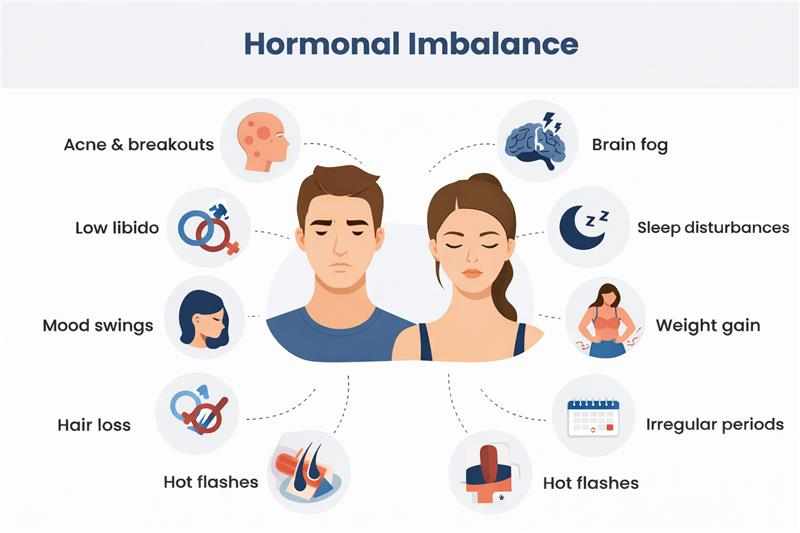
Men experiencing low testosterone may notice a combination of physical and emotional symptoms, including:
Fatigue and low energy
Reduced muscle mass and strength
Decreased libido and sexual performance
Mood swings, depression, or irritability
Cognitive issues such as difficulty focusing
Diagnosis typically involves a physical examination, a discussion of symptoms, and blood tests to measure testosterone levels. Accurate diagnosis ensures that the therapy addresses the root problem safely.
TRT Injections
One of the most common forms of male testosterone replacement therapy is injections. These are administered either intramuscularly or subcutaneously, usually every 1–2 weeks, depending on the formulation.
Benefits of TRT injections include:
Rapid absorption into the bloodstream
Predictable hormone levels with regular administration
Customizable doses based on individual response
Some men may experience minor side effects, such as injection site pain or mood fluctuations, which generally subside with adjustments in dosage.
TRT Gels & Patches
Testosterone gels and patches offer a non-invasive alternative to injections. Applied daily to the skin, these products deliver a steady dose of hormone directly through the skin.
Advantages include:
Ease of use without needles
Steady absorption for more consistent hormone levels
Discreet application
Users must ensure proper application and avoid skin-to-skin contact with others shortly after application to prevent unintentional hormone transfer.
TRT Pellets & Other Types
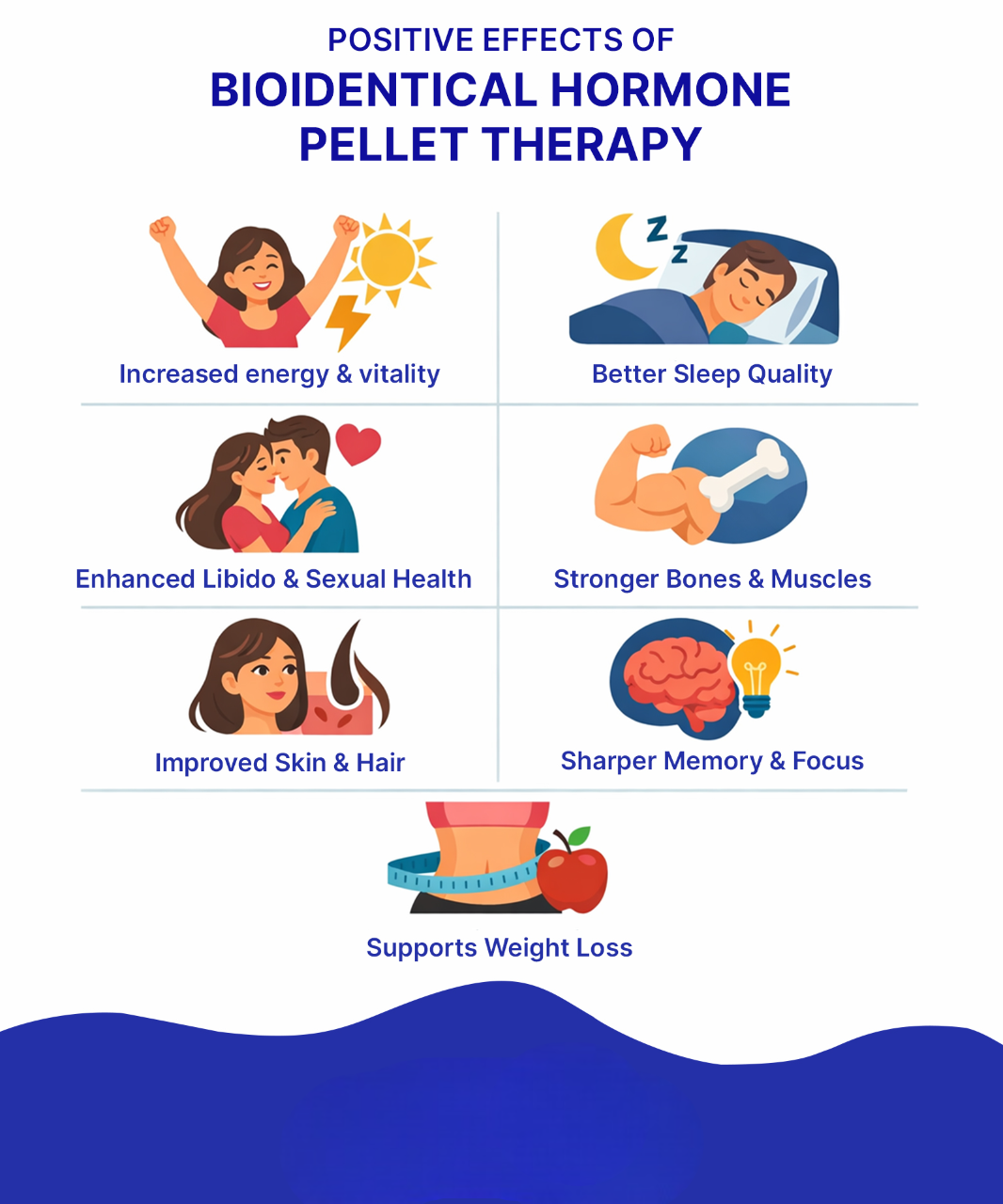
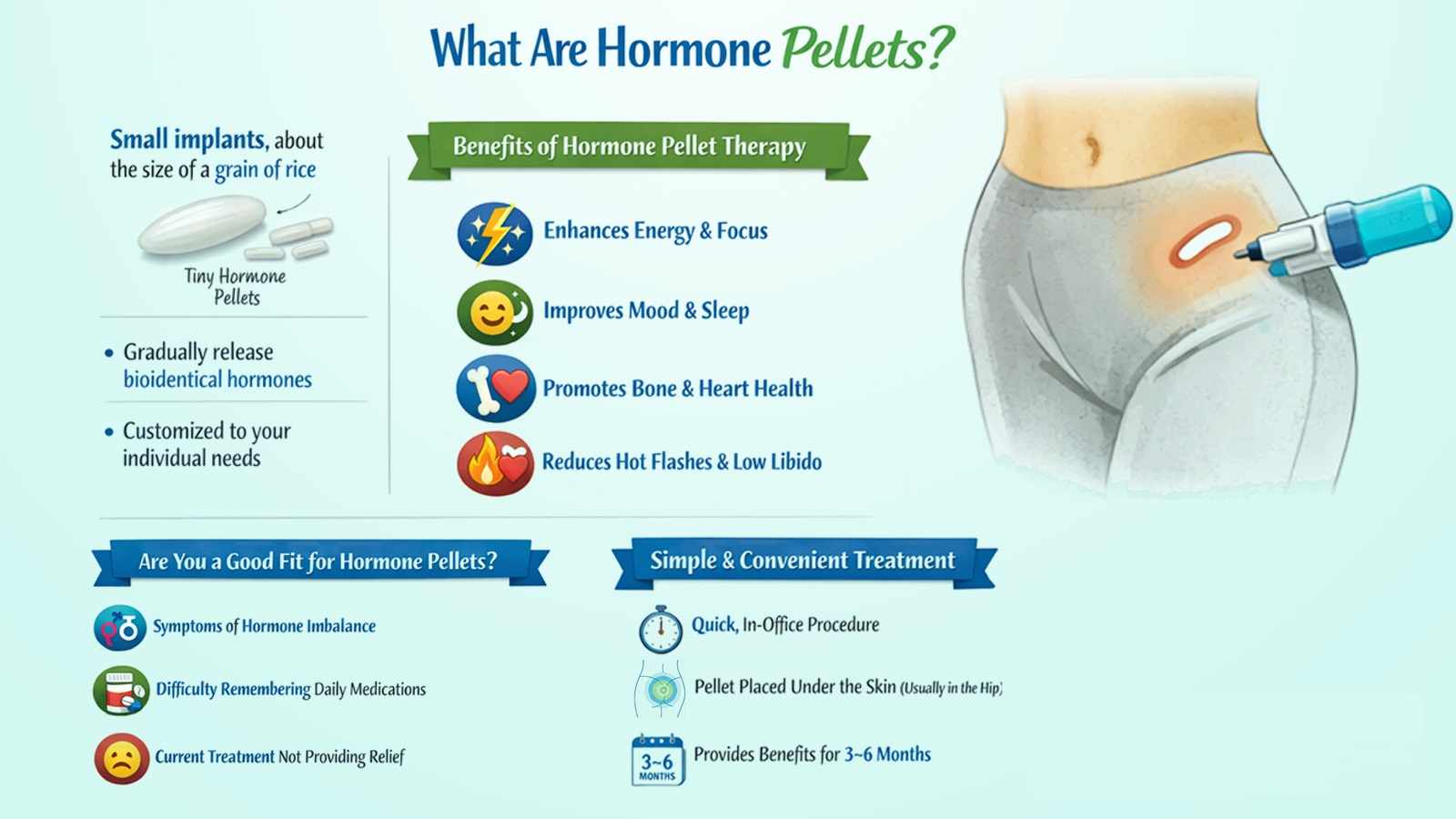
For men seeking longer-lasting options, TRT pellets are small testosterone implants inserted under the skin every 3–6 months. These provide a slow, continuous release of testosterone, minimizing daily maintenance.
Other emerging forms include nasal gels and oral formulations, though these are less commonly used due to absorption challenges or side effects.
When choosing among the types of testosterone replacement therapy, a doctor will consider lifestyle, preference, and medical history to determine the most effective approach.
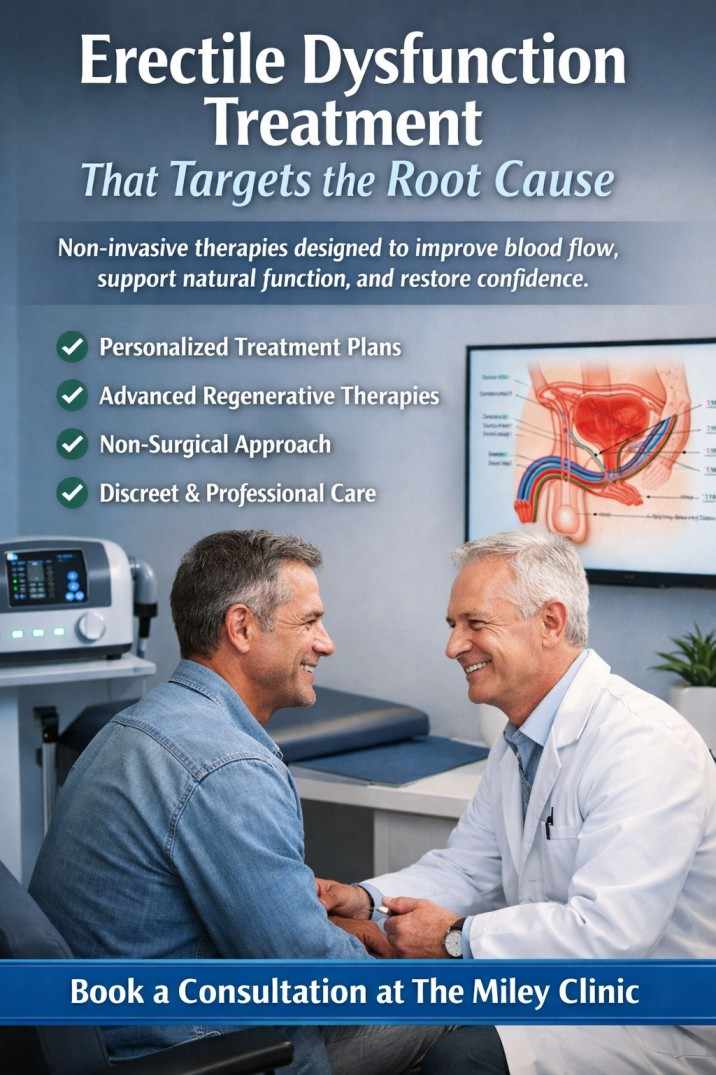
Learn more: Erectile Dysfunction Treatment & Solutions
Key TRT Benefits
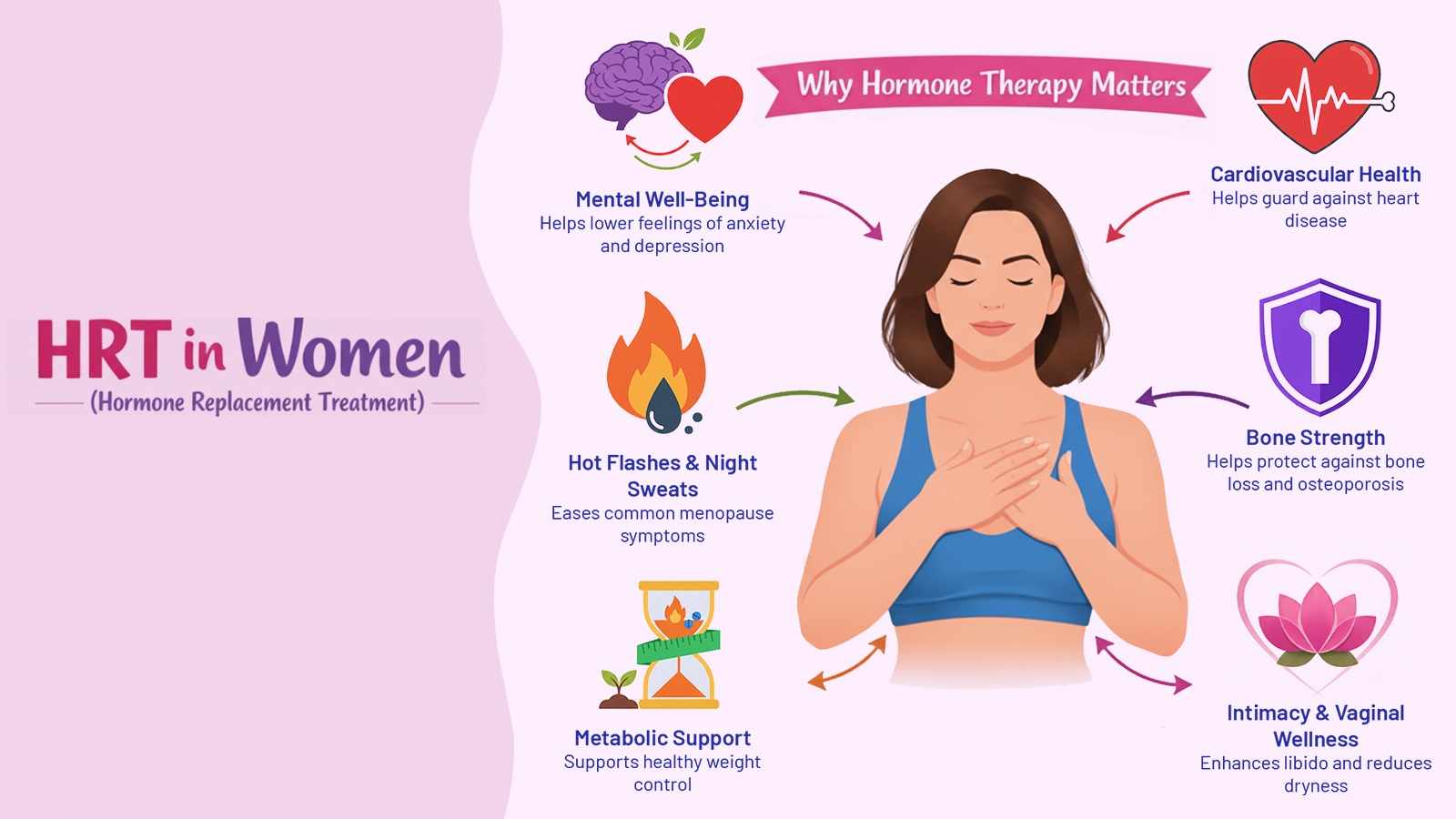
Testosterone replacement therapy offers a range of benefits that extend beyond simply raising hormone levels. Regular treatment can significantly improve quality of life, energy, and physical performance.
Sexual & Energy Benefits
One of the most immediate effects of TRT is enhanced sexual health. Men often report:
Increased libido and sexual desire
Improved erectile function
Greater stamina and energy levels
By restoring testosterone to healthy levels, men frequently experience enhanced confidence and a renewed sense of vitality, both in and out of the bedroom.
Muscle & Bone Benefits
Testosterone is critical for maintaining muscle mass, strength, and bone density. TRT can support:
Improved muscle tone and physical strength
Reduced body fat
Enhanced bone density, lowering the risk of fractures
For men experiencing age-related muscle loss or osteoporosis, testosterone replacement therapy can be an effective component of a broader health and fitness plan.
Final Thoughts on TRT
Male testosterone replacement therapy is a safe and effective treatment for men with clinically low testosterone levels. By carefully selecting the right type—whether injections, gels, patches, or pellets—men can regain energy, improve sexual function, and support muscle and bone health.
While TRT offers many benefits, it is not suitable for everyone. Men should consult a qualified healthcare provider to discuss risks, benefits, and appropriate monitoring to ensure safe, long-term results.
Ultimately, testosterone replacement therapy is more than just a hormonal treatment; it’s a pathway to reclaiming vitality, confidence, and overall well-being.
FAQs
Q1: How long does it take to see results from TRT?
A: Many men notice improvements in energy, mood, and libido within 3–6 weeks of starting therapy, with full benefits often observed after 3–6 months.
Q2: Is testosterone replacement therapy safe for older men?
A: Yes, when monitored by a healthcare professional, TRT is generally safe for older men. Regular check-ups and blood tests are essential to track hormone levels and prevent side effects.

Write a comment ...